
Listening is a form of clinical reasoning.
It reveals what matters, challenges our assumptions, and changes which decisions make sense.
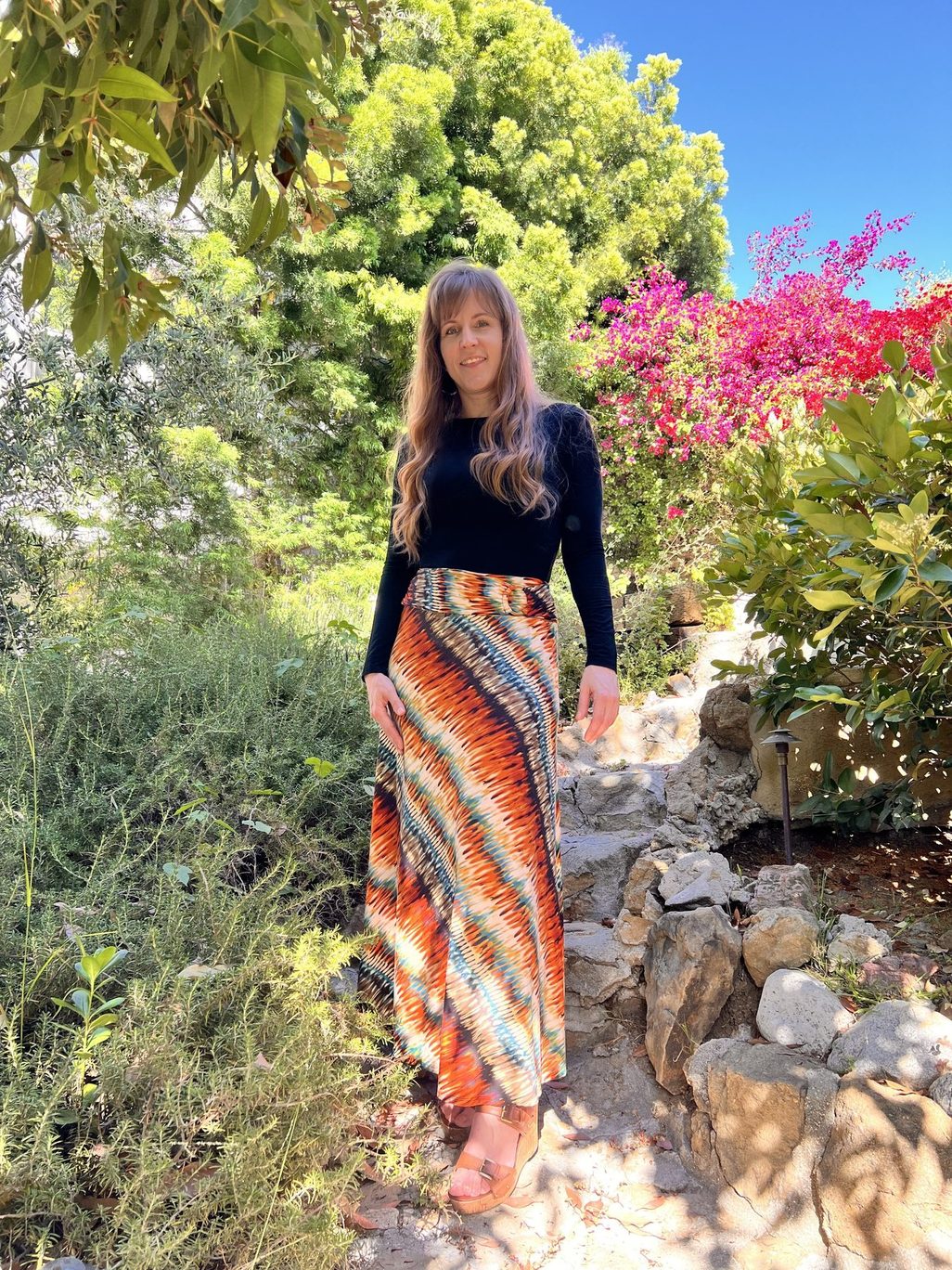
My path into medicine has been shaped by advocacy, public health, and a longstanding curiosity about how people experience systems — and how systems shape people in return. From early work in violence prevention and survivor advocacy to #ILookLikeASurgeon, I have been drawn toward spaces where culture can be examined, challenged, and reshaped.
I have often followed questions that sat at the edges of established conversations — palliative care within surgery, intimate partner violence in medical training, physician social media. What connects them is listening: to patients and families, to colleagues, and to what our culture leaves unsaid. This site is where I gather those threads — writing, research, resources, and conversation for anyone who believes surgical care can be both precise and deeply human. If some of the ideas here seem unconventional, that is all right. Some of the most important conversations begin that way.
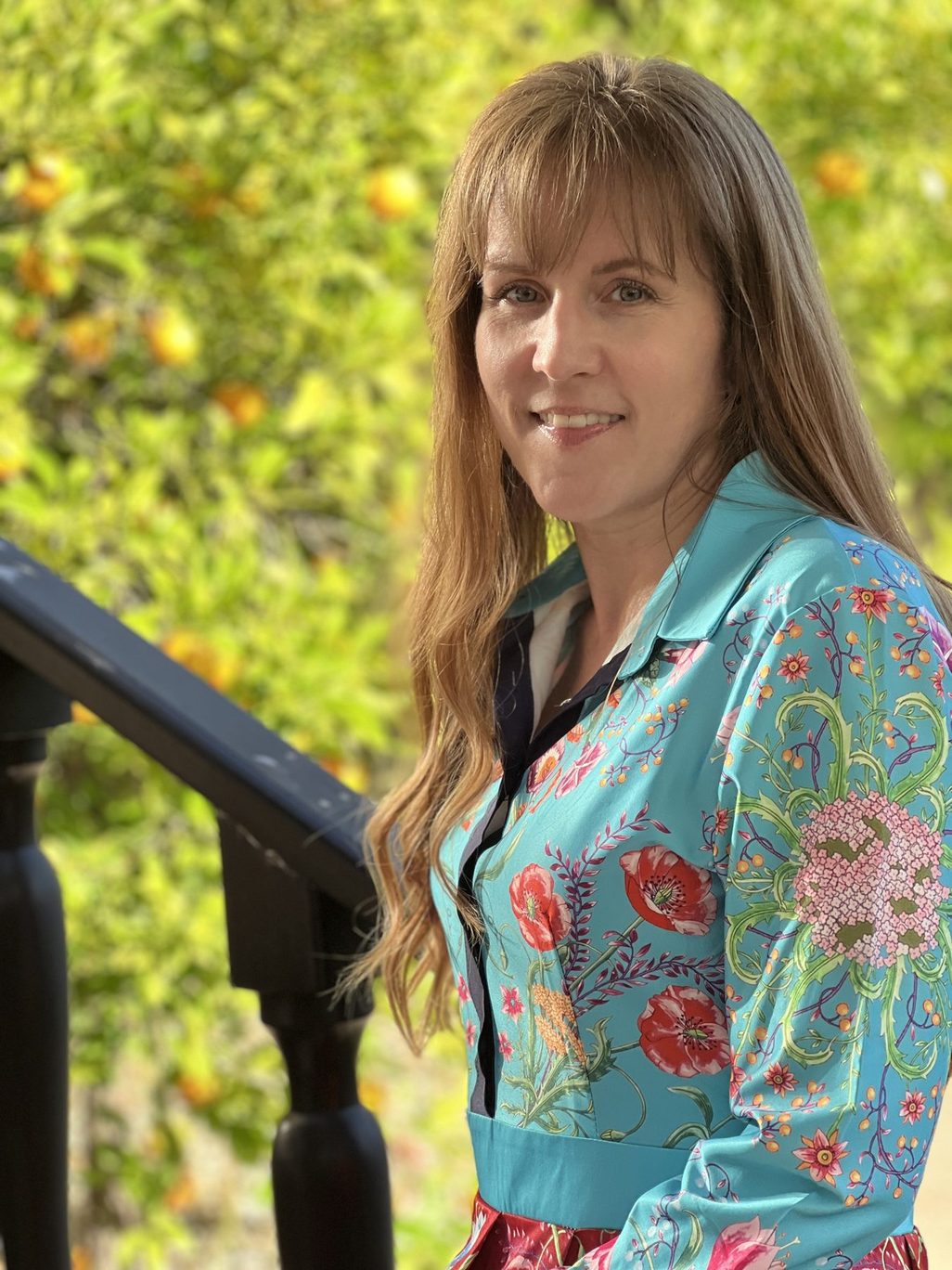
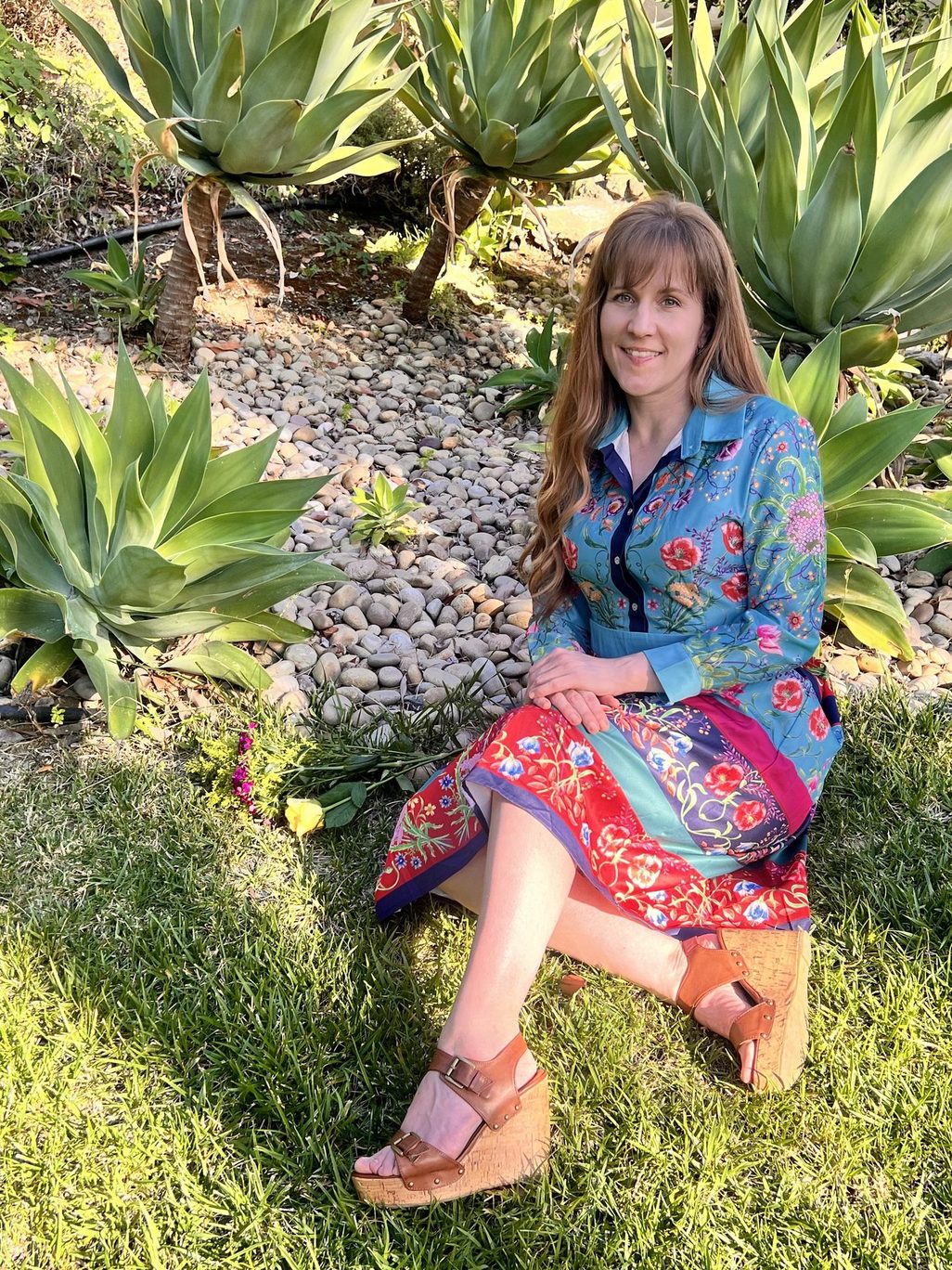
Surgeons occupy a unique position in medicine, caring for people at moments of profound vulnerability, when decisions carry weight not only technically, but emotionally and ethically as well. The operating room sits at the intersection of science, trust, uncertainty, suffering, and human connection — and the work of understanding that intersection, and trying to shape it, has defined much of what I do. Over time I have become increasingly drawn not only to the technical aspects of surgical care, but to how that care is experienced by patients, families, and the people who provide it — and to the systems, cultures, and structures that make a difference in that experience.
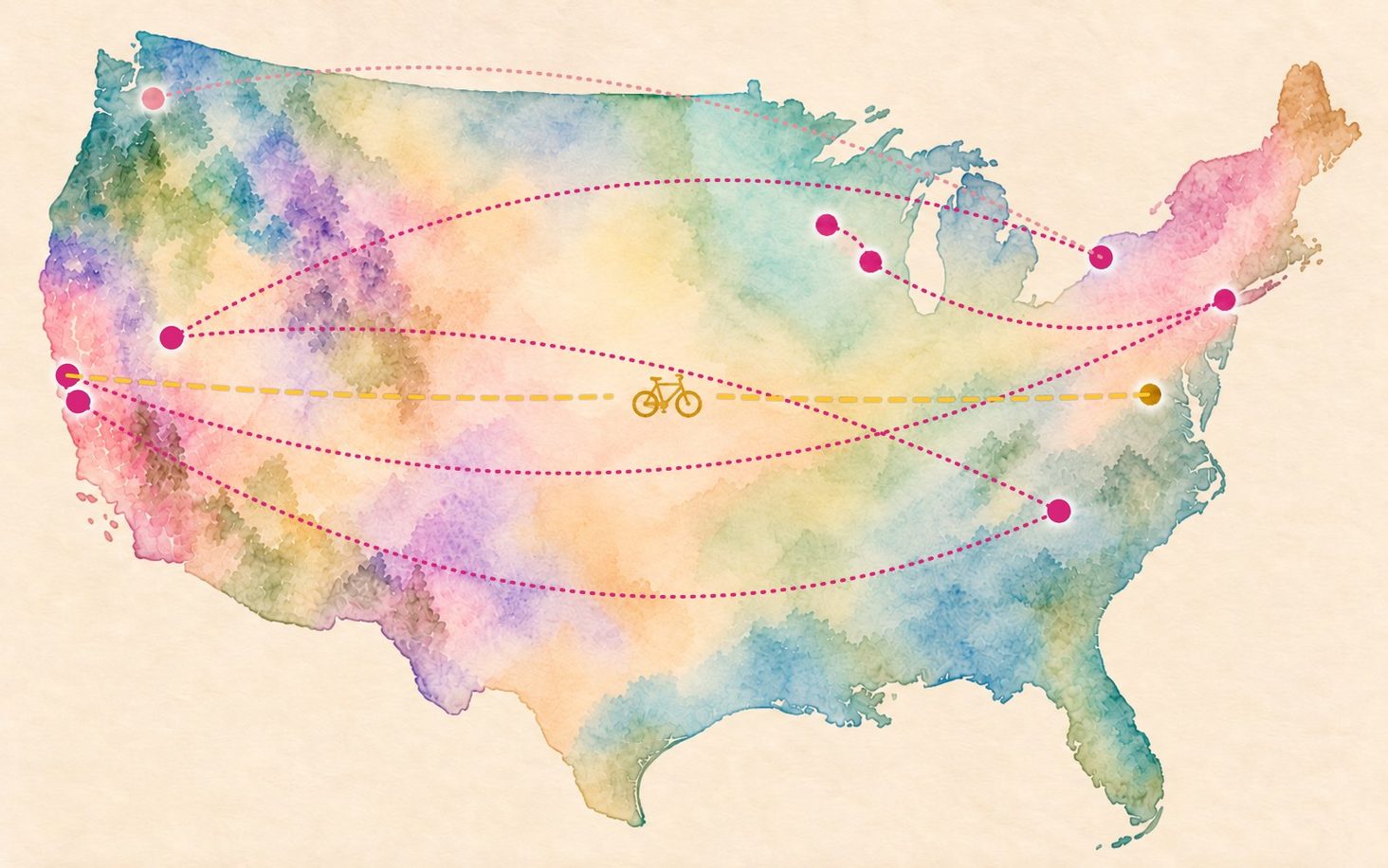
I have followed this work wherever it called me — from a dairy farm in Wisconsin to both coasts, and across the country by bike.

Growing up on a dairy farm and becoming the first in my family to attend college gave me early exposure to the realities of healthcare access, equity, and resource variability.
In 2025, my parents, John and Jill Logghe, were honored as Grand Marshals of Glenwood City’s Rustic Lore Days. I wrote a profile celebrating their lives and decades of involvement in the community.
Surviving sexual assault as an undergraduate led me to advocacy: peer education with survivors, a men’s group focused on primary prevention, and co-coordinating the National Conference on Men and Masculinity.
Living in Harlem and working with the World Trade Center Medical Monitoring Program taught me how much coordination, persistence, and care it takes to look after people the system could easily overlook.
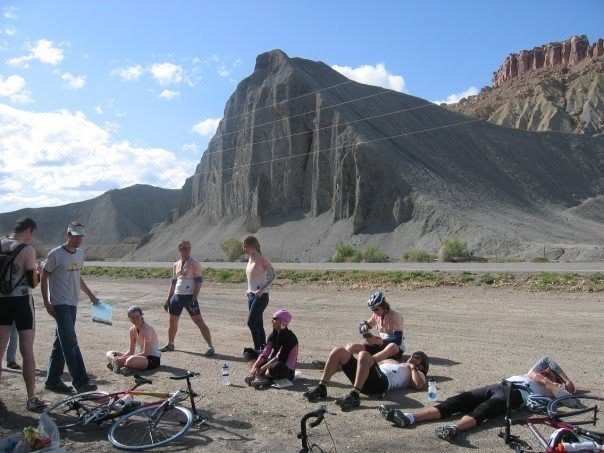
Biking across the country in the inaugural Ride for World Health — more than 3,000 miles with medical and pre-medical students, raising nearly $130,000 for global health — and seeing the country one small town at a time.
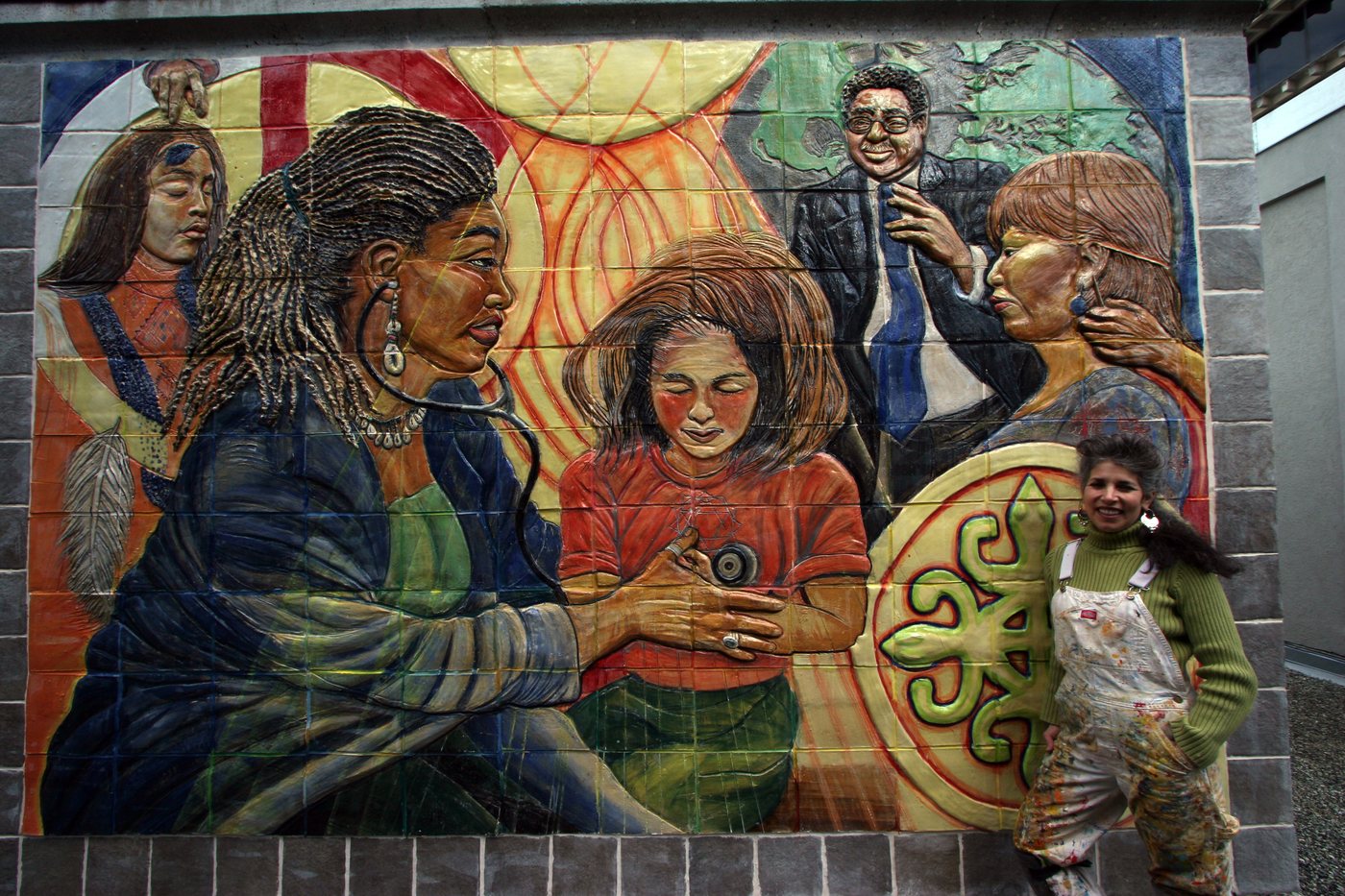
I loved the SANARTE ceramic murals at UCSF, and their imagery found its way into two conferences I organized. Their scenes of healing, diversity, and collective action resonated with work I had begun long before medical school.
Juana Alicia with Traditions. SANARTE: Diversity’s Pathway/Sendero de la diversidad, four ceramic bas-relief murals, ceramic tile frieze, and cement sidewalk. An original work owned and commissioned by the University of California, San Francisco. Ambulatory Care Clinic, UCSF Medical Center, 400 Parnassus Avenue, San Francisco, CA, © 2005. Pictured here: TRADITIONS Mural, hand-made ceramic tile mural, Juana Alicia © 2005. Photo: Anobel Odisho. juanaalicia.com →
Medical school at UCSF, where I took part in the university’s interdisciplinary conference on domestic violence, pursued health equity advocacy, and first found my way to palliative care.
After medical school, working with emerging digital health technologies, from surgical decision-support tools to Doximity’s physician network, while participating in Stanford Medicine X and mobile health education initiatives — exploring how technology could connect patients, clinicians, and ideas in new ways.
Beginning my surgical training at UNC, where I encountered the demands, hierarchies, and culture of surgical residency firsthand — experiences that would eventually shape my advocacy for the people entering the profession.

Raising my young children while growing #ILookLikeASurgeon into a global surgical community and collaborating remotely with researchers at Thomas Jefferson University on surgical education, communication, and digital professional networks — discovering how much could be accomplished across institutional and geographic boundaries.

General surgeon (University at Buffalo, 2019–2026) with a fellowship in Hospice and Palliative Medicine — bringing communication, presence, and an understanding of institutional culture into the work of surgical care.
Next.
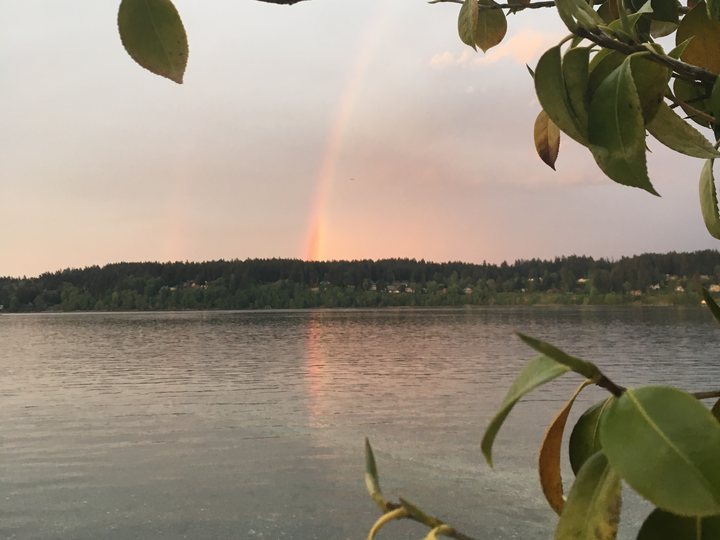
The opportunity to experience so much of the geography of the United States has allowed me to listen to people in very different communities, to see how place shapes health and access to care, and to carry those lessons into how I practice surgery.
My advocacy began with breaking my own silence. It has grown into a practice of making room for others to be heard — on campus, in clinics and operating rooms, and online.

When I arrived as a freshman at the University of Wisconsin–Madison, there were more residents in my dorm building than in my entire hometown. The pace and depth of learning were unlike anything I had experienced — I was energized by the challenge.
That changed during my second semester, when I was sexually assaulted by an acquaintance. This experience profoundly shaped my path. With the support of faculty mentors, I came to understand that healing is not linear — and that advocacy can be a powerful part of that process.
I became involved with PAVE: Promoting Awareness, Victim Empowerment, a then-emerging student organization. Alongside my colleague Jennifer Cinelli, I helped develop a peer education program, Silent Crimes, Outspoken Voices, which supported survivors in sharing their stories to promote awareness, strengthen support systems, and advance prevention efforts. We also founded Men Making a Difference, a men’s group focused on primary prevention of sexual violence.
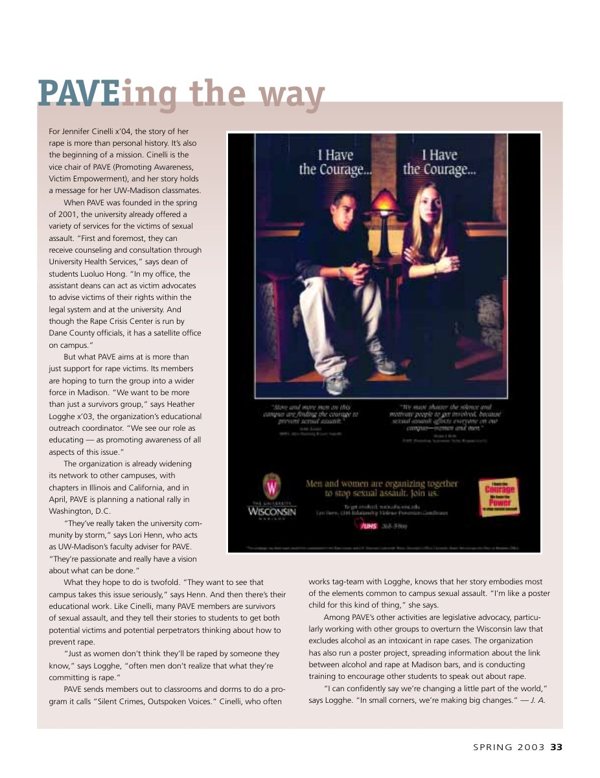
“I can confidently say we’re changing a little part of the world. In small corners, we’re making big changes.”
Sharing my own experience — and creating space for others to do the same — taught me the impact of breaking silence to enable healing and meaningful cultural change.
I also co-coordinated the annual Conference on Men and Masculinity for the National Organization for Men Against Sexism (NOMAS) in 2003.
I completed my undergraduate degree in psychology, with a certificate in women’s studies.
Following graduation, I moved to New York City, where I worked and prepared for the MCAT. During this time, I spent two years as an administrative assistant with the World Trade Center Medical Monitoring Program, a health screening program for rescue and recovery workers following September 11. It was an extraordinary experience — documenting leadership meetings and having a front-row seat to the coordination required to deliver screening exams to over a thousand rescue and recovery workers.
I later joined the inaugural Ride for World Health, cycling from San Francisco to Washington, D.C., to raise funds and awareness for global health initiatives.
As a medical student at the University of California, San Francisco, I took part in the university’s annual interdisciplinary conference on domestic violence all four years, and in my final year served on the planning committee and led a breakout session.
Together, these experiences deepened my understanding of trauma, health, and the systems that shape both.
The #ILookLikeASurgeon movement emerged as a natural extension of this work — an effort to challenge assumptions, expand representation, and create space for dialogue within surgery. The opportunity to learn from and collaborate with surgeons through that movement strengthened and affirmed my commitment to this work — both in the operating room and in shaping the future of the profession.
More recently, I spoke at the ACS Clinical Congress on supporting colleagues whose lives and careers are affected by interpersonal violence.
I completed my general surgery training at the University at Buffalo, including a fellowship in Hospice and Palliative Medicine, further deepening my focus on communication, culture, and the human experience of surgical care.
Movement has always been one of my favorite ways to experience the world — and I want to keep it that way.
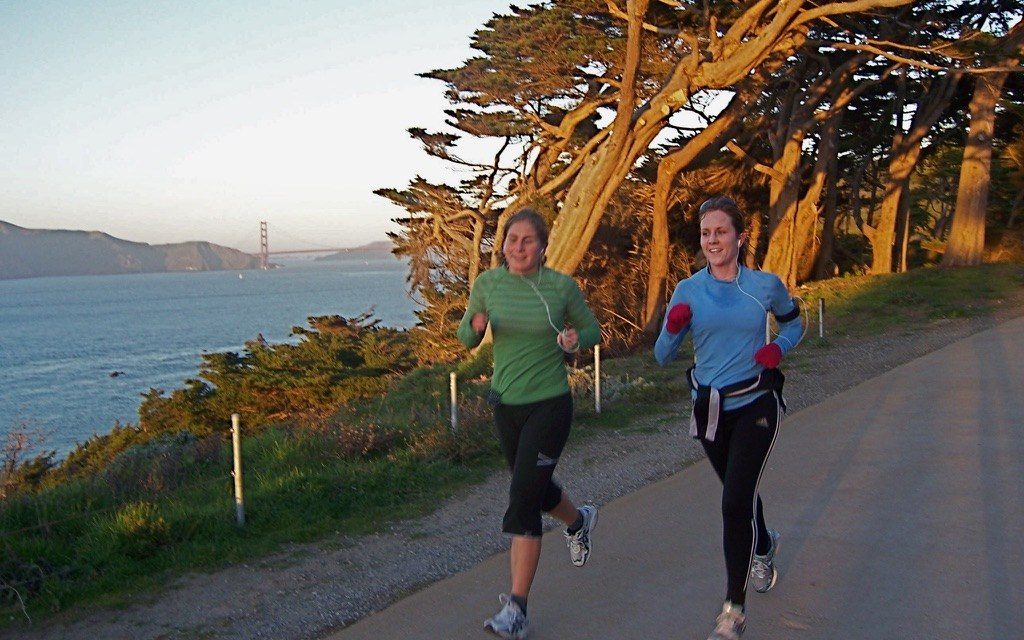
Two Ironman Wisconsin triathlons. A Vineman Half Ironman. The Chicago Marathon, Cape Cod, Mad City, Grandma’s, the Bronx. The Death Ride twice. Four years of Brazilian Jiu-Jitsu. And a 3,000-mile bicycle ride across the United States.
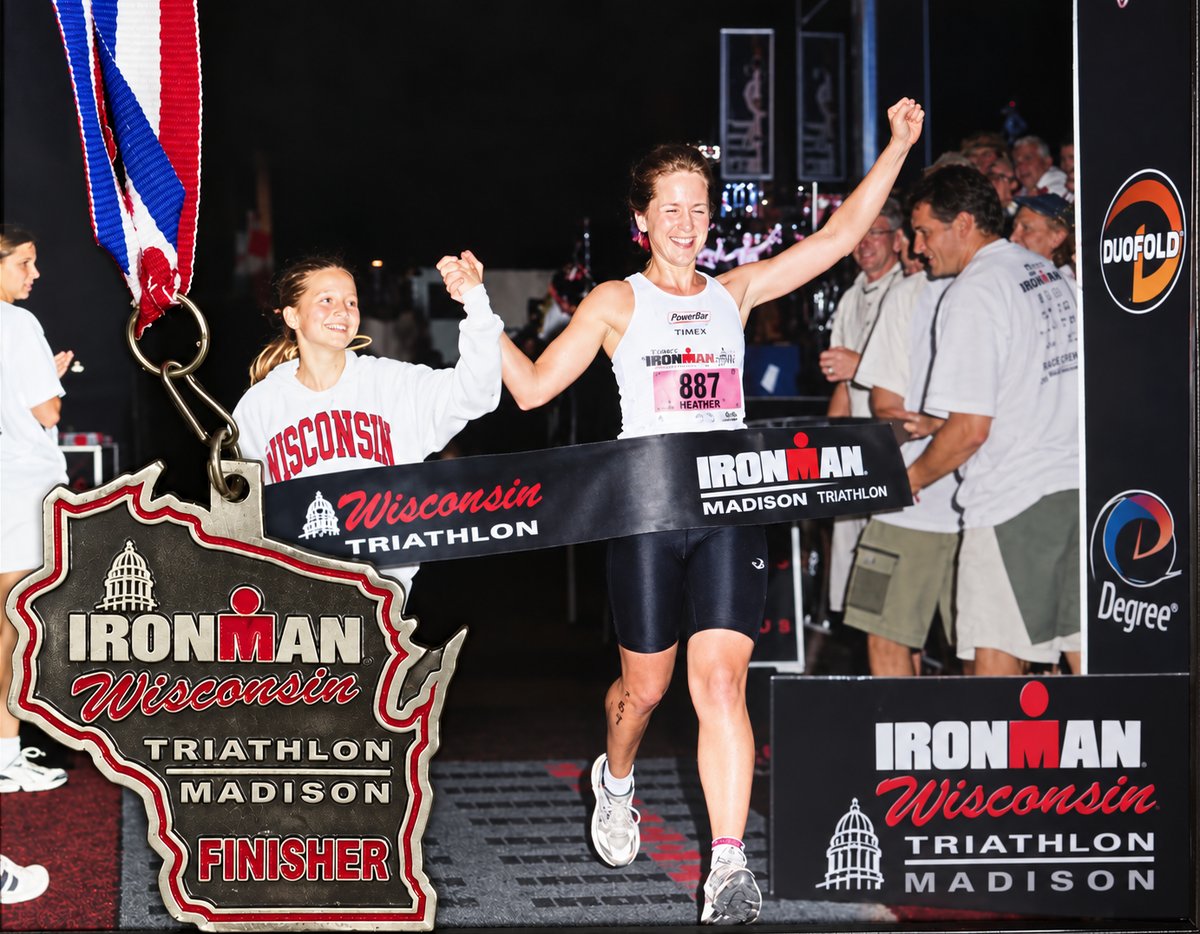
Endurance racing has given me a powerful metaphor for life. There are climbs you can see coming and others you can’t. There are times to push harder, times to change course, and times when progress comes down to simply continuing to move. I’ve learned as much from the miles between the starting line and the finish as from completing the events themselves.
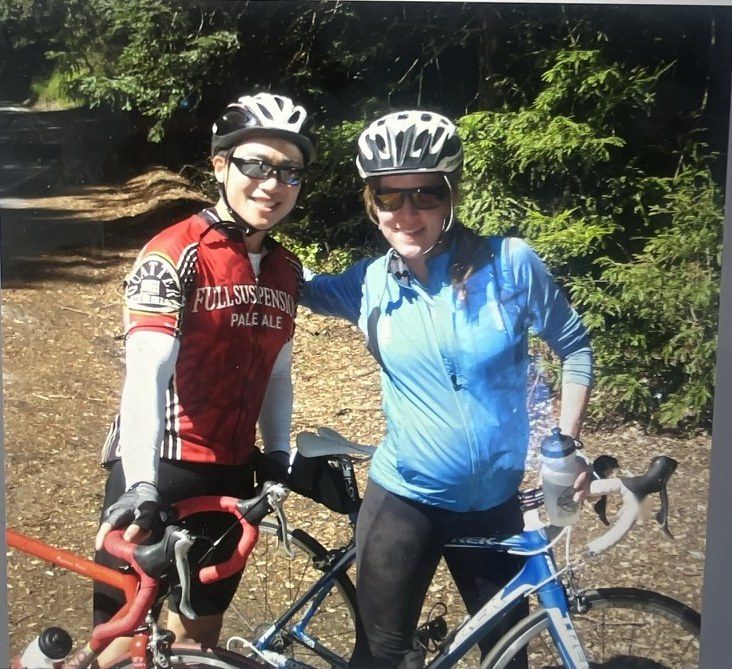
But movement has always meant more to me than endurance or athletic achievement. It’s a way of being in the world. It takes me outdoors, connects me to nature, and offers opportunities to explore this extraordinarily beautiful country. It is something I want to share with my family, not just now, but for decades to come.
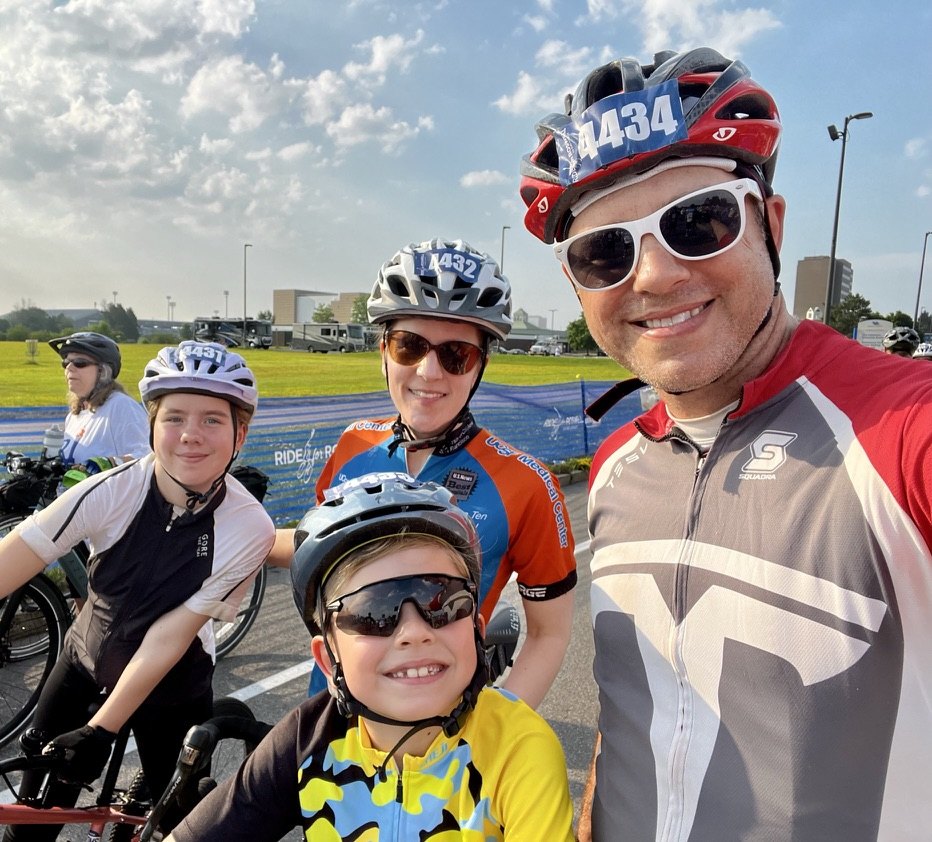
Surgical residency left little time for regular exercise, and I have missed that part of my life. As I consider the next chapter of my professional journey, I’m intentionally allowing time to return to it.
My goal isn’t necessarily another Ironman or marathon. It’s to be fit for life — for the places I want to explore, the experiences I want to have, and the years ahead with the people I love.
There is still so much of this world I want to see, and I want to be able to move through it.
A philosophy still evolving through experience, inquiry, and relationships.
Listening is a form of clinical reasoning.
It reveals what matters, challenges our assumptions, and changes which decisions make sense.

Technical excellence and human connection belong to the same standard of care.
An operation can be performed flawlessly and still be the wrong operation for the person undergoing it.
Uncertainty is part of medicine.
Honesty about what we know, humility about what we don’t, and a willingness to remain engaged when answers are incomplete are essential clinical skills.
Medical culture is made in ordinary moments.
It takes shape through what we teach, reward, tolerate, question, and leave unchallenged. Those patterns are powerful, but they are not inevitable.


Leadership carries responsibility for how power is exercised.
It matters whether people can ask questions, challenge decisions, and raise concerns without fear of retaliation.
Advocacy is part of clinical responsibility.
Policies, institutions, and inequities shape what happens to patients long before they reach us and long after they leave.



Innovation is not limited to technology.
New ways of teaching, collaborating, building communities, and bringing different voices into the conversation can transform medicine, too.
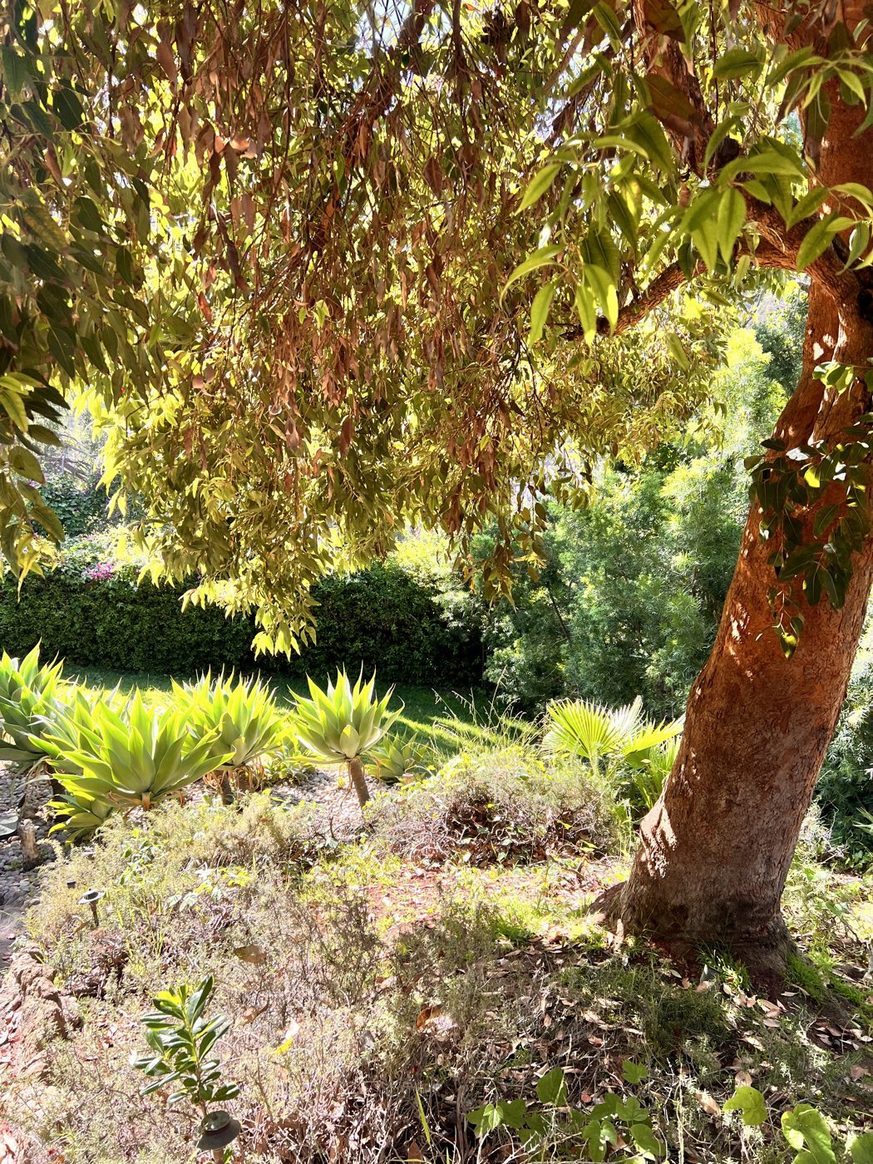
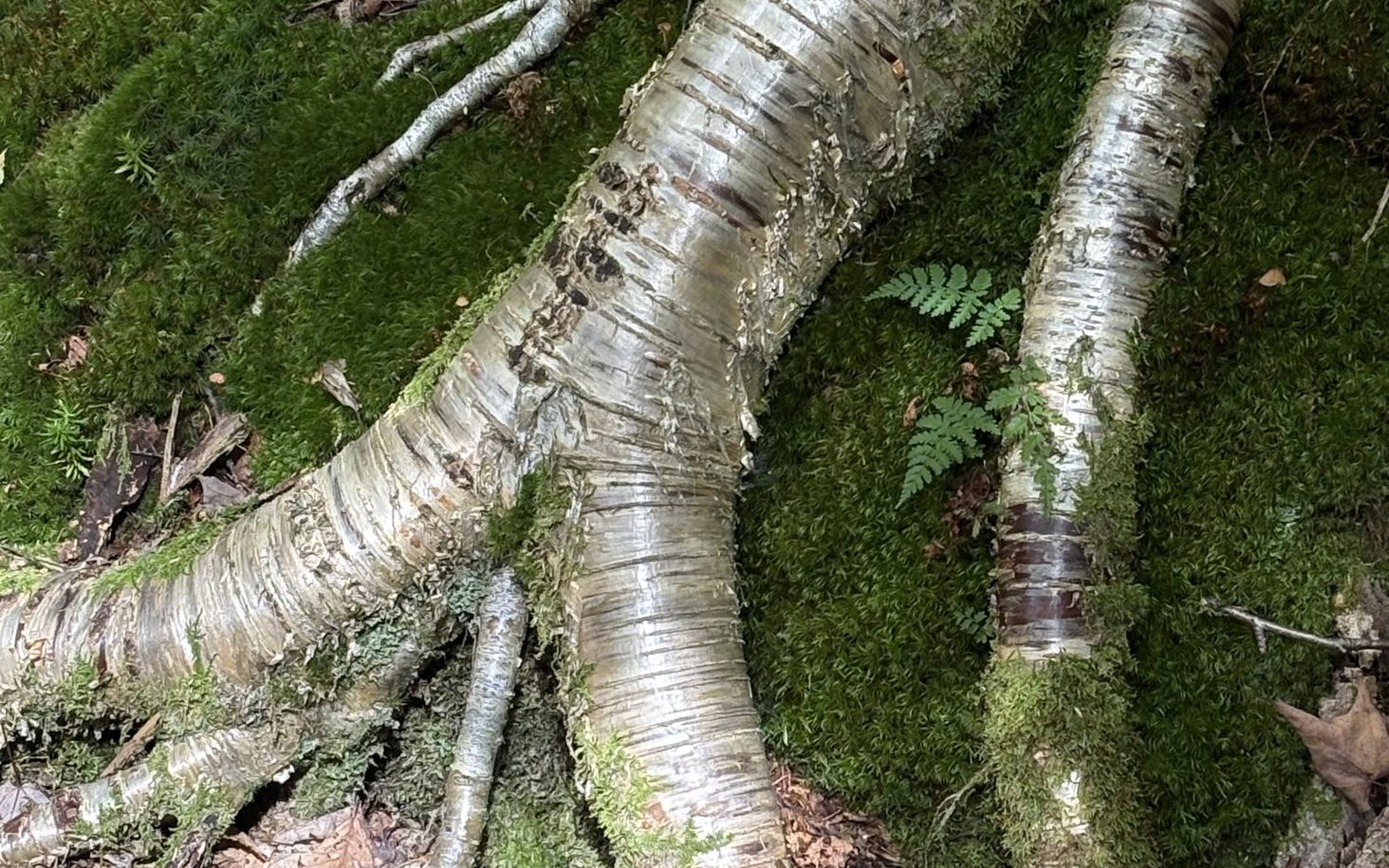
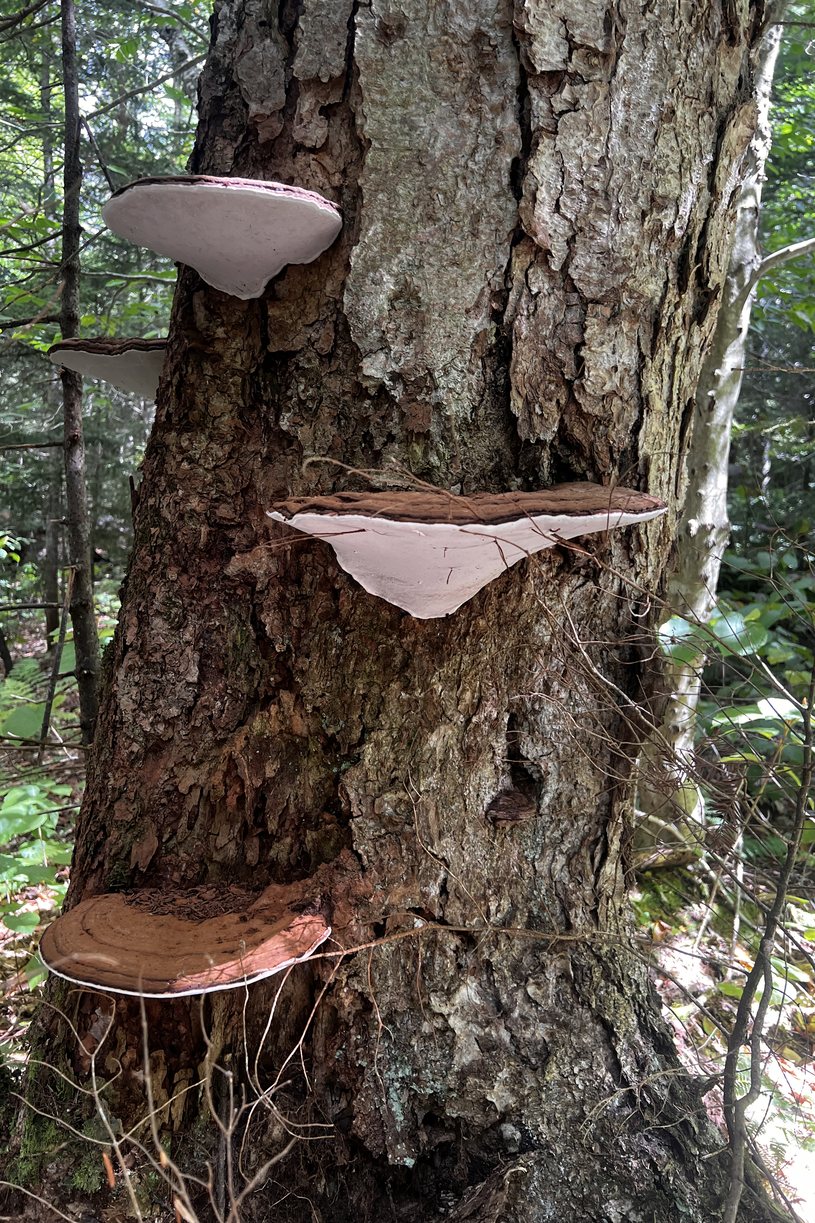
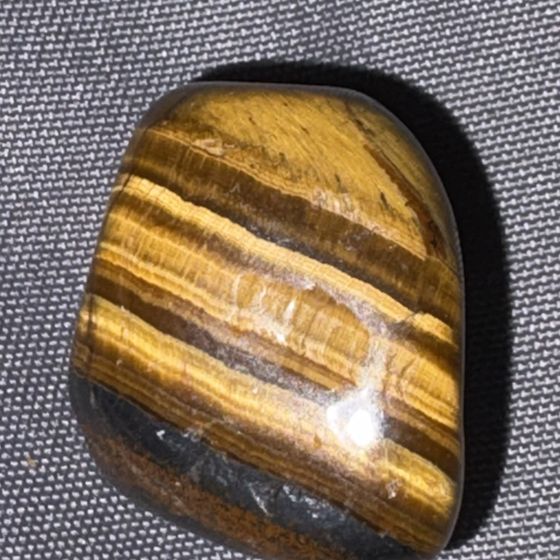
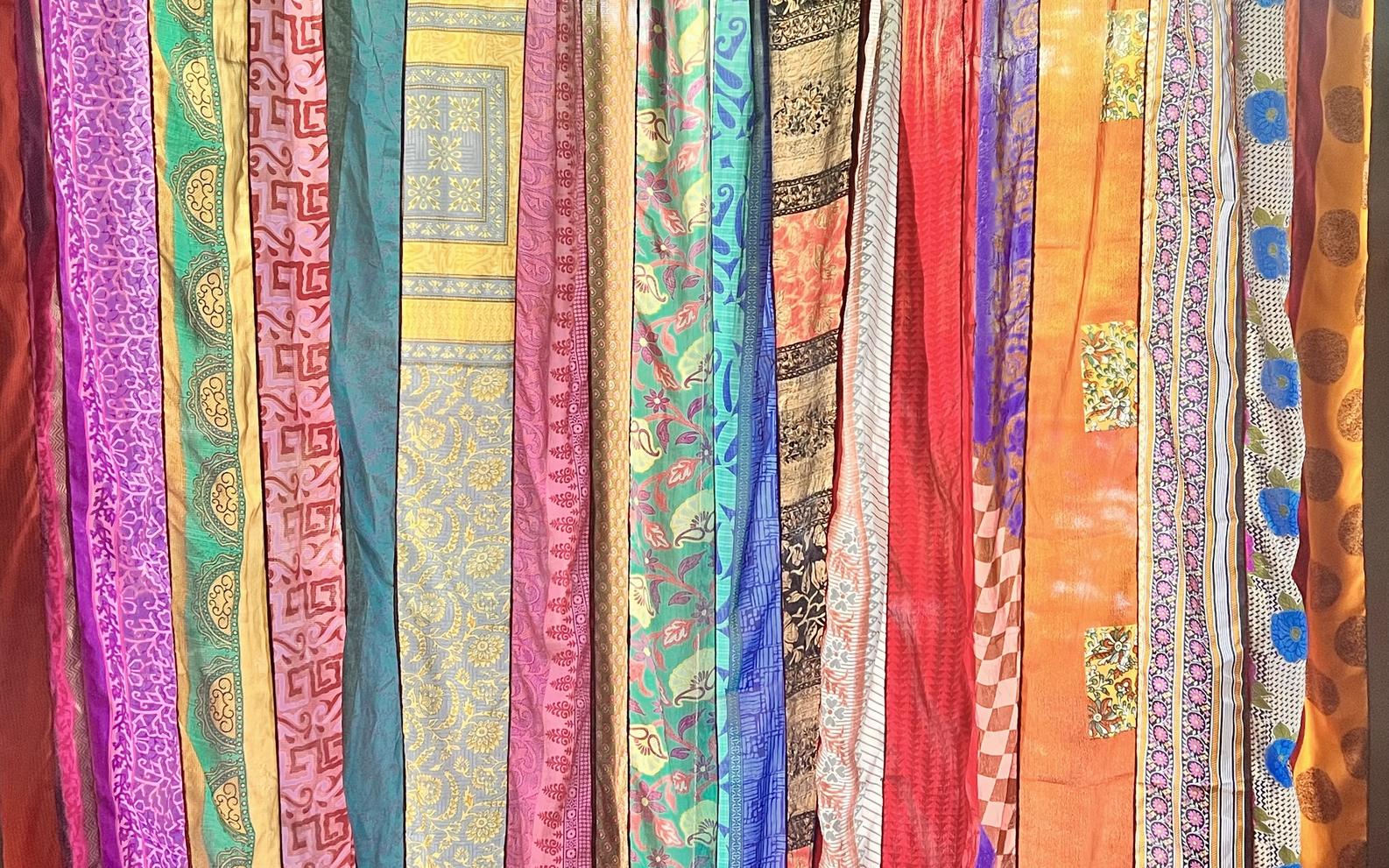
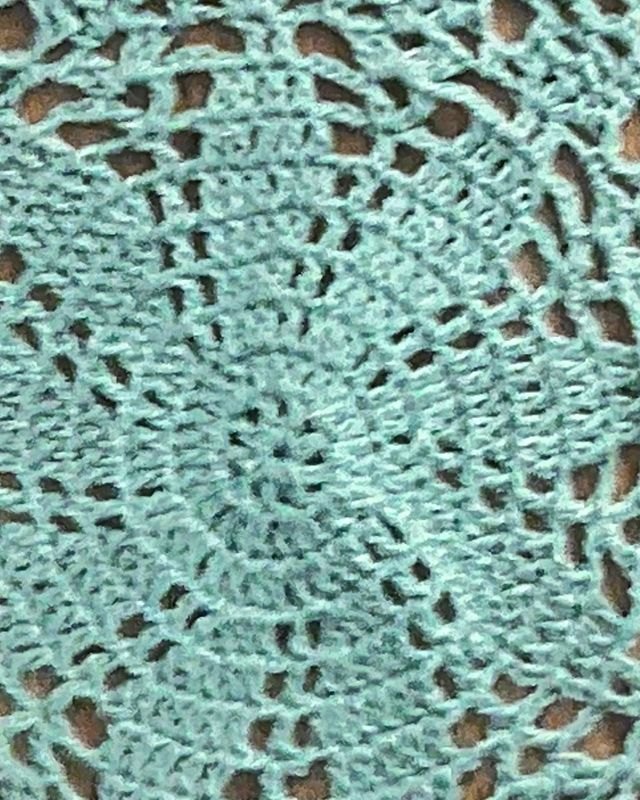
Photographs by Heather Logghe
Across surgery, palliative care, advocacy, research, and digital community-building, I keep returning to a handful of questions: how people are heard, who belongs, how institutions shape human experience, and what becomes possible when different ways of thinking come together.
These interests have sometimes taken me to the edges of what medicine recognized as important. Over time, I’ve watched many of those conversations move toward the center. The questions continue to inform my work.
Communication, presence, and language are not secondary to clinical care. They shape decisions, build trust, and influence outcomes. My work in surgery and palliative care continues to explore listening as a clinical skill and communication as essential clinical infrastructure.
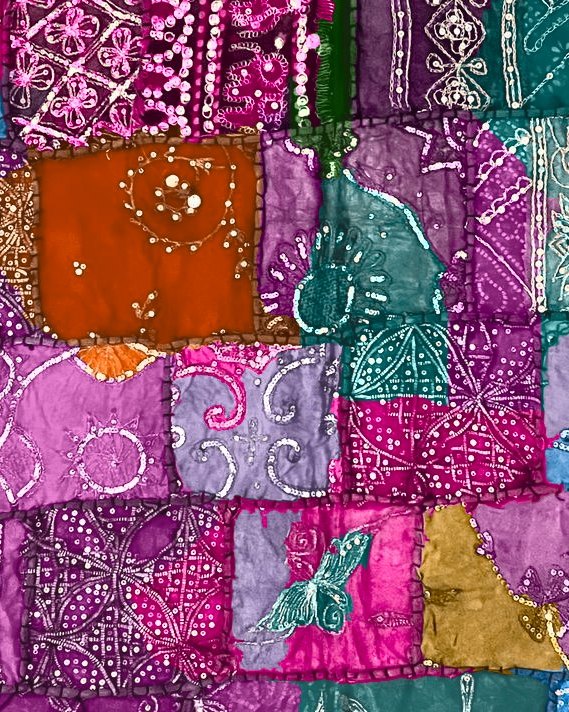
Who enters medicine, who stays, and who is recognized as belonging shape the profession itself. Through #ILookLikeASurgeon and related advocacy, I’ve explored how visibility, representation, and collective storytelling can challenge assumptions and change institutional culture.
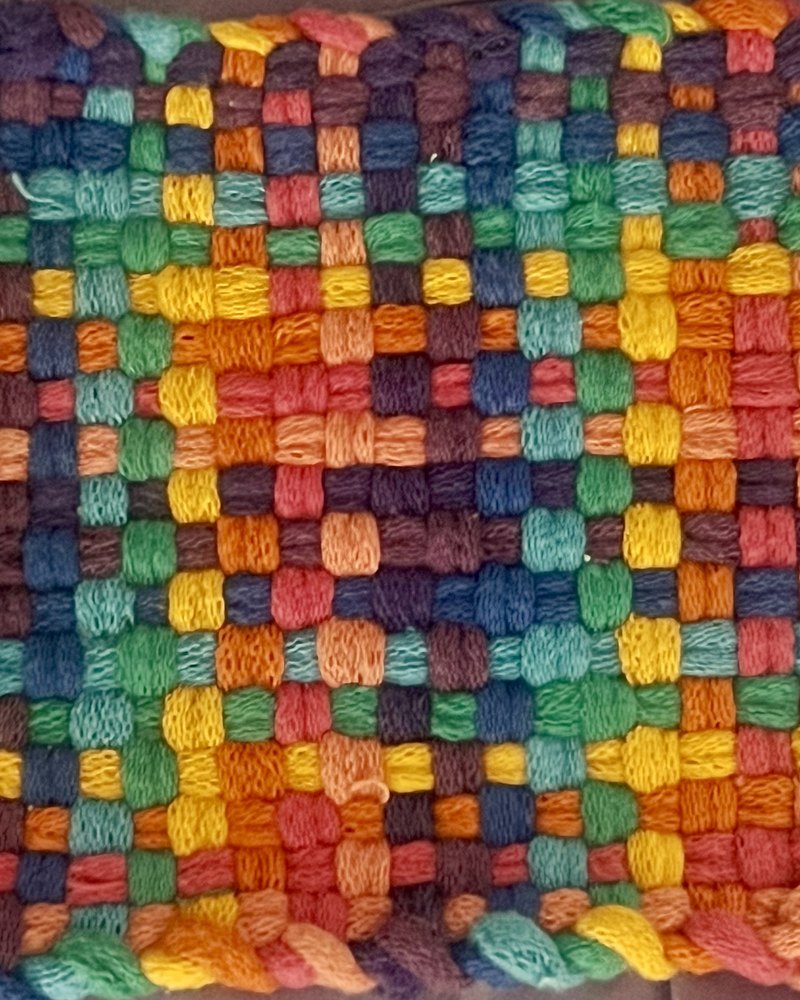
Medicine operates within structures that are neither neutral nor inevitable. Training environments, institutional hierarchies, professional norms, and policies shape whose voices are heard, whose experiences are recognized, and how care is delivered. Understanding those systems creates opportunities to change them.

Digital platforms can connect people and ideas across institutional and geographic boundaries. My work with social media, online communities, and collective storytelling explores how experiences that once seemed isolated can become visible, shared, studied, and ultimately translated into cultural and institutional change.
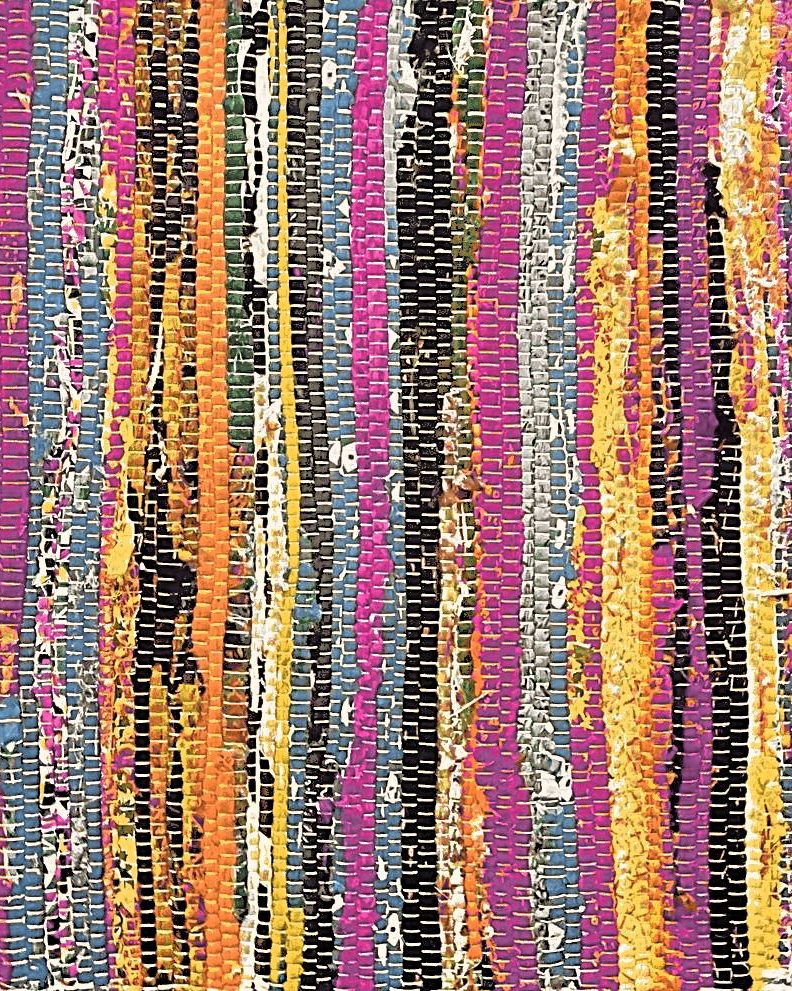
My interests span surgery, palliative care, public health, communication science, gender studies, technology, and cognitive diversity. I am particularly interested in what becomes possible when disciplines, perspectives, and lived experiences intersect — and in what medicine loses when its definitions of expertise and excellence become too narrow.
Interviews, talks, and press coverage of this work are gathered under Media. Journalists will find bios, photos, and background on the Press page.
I am deeply grateful to my family, who have helped bring this work to life.
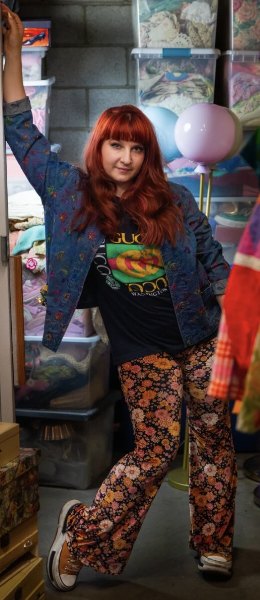
My sister, who designed The Listening Surgeon wordmark and helped shape the site’s palette from my own photographs. She brings depth, color, and emotional clarity to everything she touches.
→ Instagram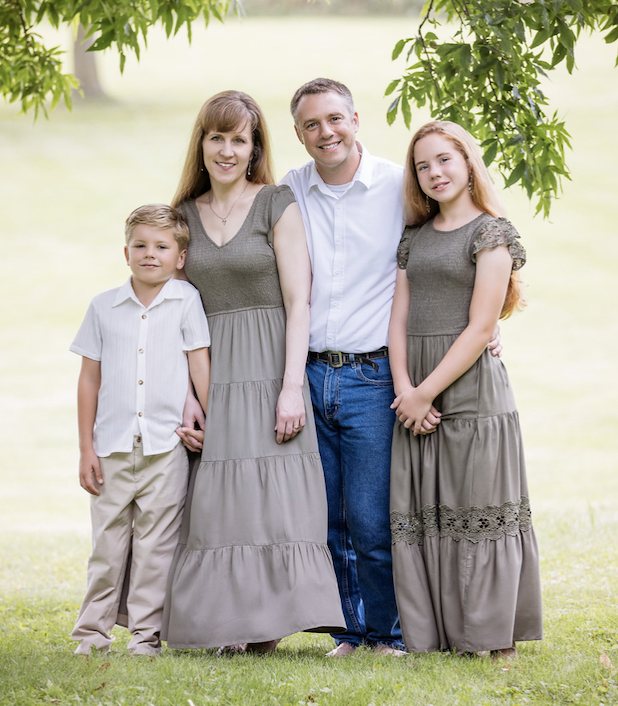
My husband and children, who have lived alongside this work with patience, humor, and love. Each of you has supported this vision in ways both seen and unseen — and shaped what it has become.