Palliative care throughout surgical care
Surgical patients face some of medicine’s most consequential decisions, often quickly, often under uncertainty, and often with families who had no warning. Palliative care shows up across the whole surgical course.
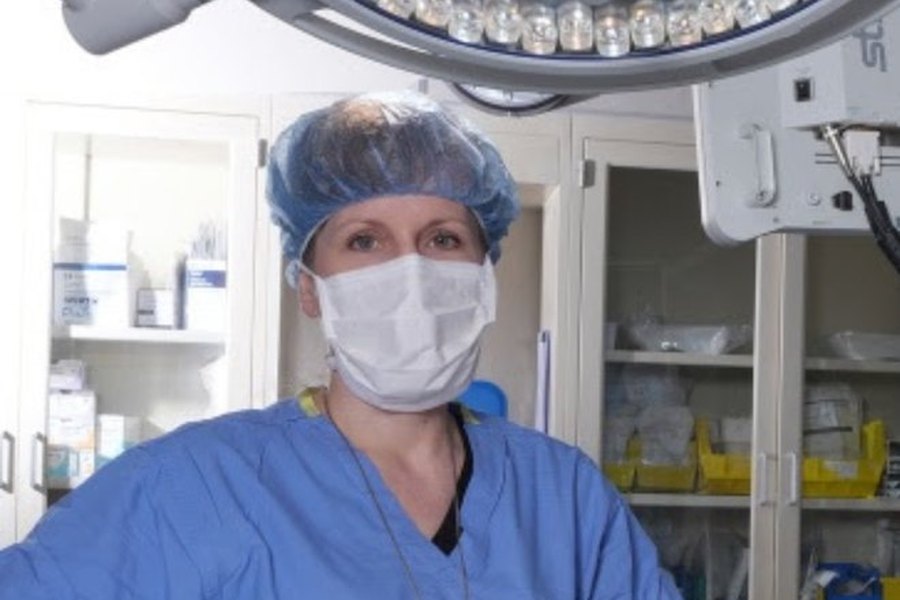
Surgery carries its own long palliative tradition: operations performed not to cure but to relieve, such as bypassing an obstruction, draining an infection, stabilizing a fracture, or restoring the ability to eat or breathe. A palliative operation and palliative care are not the same thing, though. One is a procedure. The other is a way of practicing that attends to suffering, prognosis, and the patient’s goals before, during, and after any procedure, including the decision not to operate.
Good palliative care doesn’t always point away from surgery. Sometimes, after an honest conversation about what an operation can and can’t offer, it supports proceeding with a high-risk operation, because that is the choice most consistent with what the patient hopes to protect. Comfort isn’t what medicine offers once treatment has failed, either. It is a responsibility throughout treatment, including the most aggressive surgical care, where technical skill and human presence both belong to doing the work well.
High-risk surgery
Helping older and seriously ill patients weigh what an operation can realistically offer, including the best case, the worst case, and the most likely recovery, against what they hope to protect.
Trauma
Sudden, catastrophic injury leaves no time to prepare. Early and honest communication with families, careful prognosis in the first hours and days, and attention to what the patient would have wanted.
Surgical critical care
Time-limited trials of intensive treatment, regular family meetings, and recognizing when treatments are no longer moving a patient toward goals they would choose.
Burns
Prognostic uncertainty, intense pain and symptom burden, and long recoveries make palliative skills essential from the first day, for survivors as much as for patients who will not survive.
Surgical oncology
Palliative operations for obstruction, bleeding, or pain; decisions about when another operation serves the patient’s goals; and symptom management at every stage.
Emergency general surgery
Older adults living with serious illness who arrive with an acute surgical emergency, often without any prior conversation about their goals, when the decision to operate carries the highest stakes.
Postoperative complications
When recovery doesn’t go as planned: revisiting goals as the picture changes, treating the symptoms that come with setbacks, and supporting patients and families through decisions no one expected to face.
Unexpected recoveries
Some patients recover far beyond what anyone predicted. Palliative care makes room for that uncertainty, holding hope and planning together, and adjusting the plan as a patient improves.
The skills underneath
None of these requires a fellowship. All of them can be learned, which is the point of the pathways in Learning & Teaching.