
Intimate Partner Violence
Screening, response, referral, and surgeons around the world moving from response to prevention.
Committee on Intimate Partner Violence

The committee works to raise awareness of IPV in the surgical community, to help surgeons recognize its signs and consequences in themselves and their colleagues, to provide resources for survivors, and to create resources and curricula with partner organizations.
 If you or someone you know is experiencing domestic or sexual violence:
National Domestic Violence Hotline, free and confidential, 24/7 · 1-800-799-7233 · text START to 88788
RAINN’s National Sexual Assault Hotline, free and confidential, 24/7 · 800.656.HOPE (4673) · text “HOPE” to 64673 · chat at RAINN.org/hotline
Intimate partner violence
Intimate partner violence (IPV) is abuse or aggression by a current or former spouse or dating partner. It can be physical or sexual violence, stalking, or psychological aggression, and it can range from a single episode to years of severe abuse (CDC CDC ). It is common, it causes injuries that surgeons treat, and the American College of Surgeons calls it a major public health problem. The College asks surgeons to screen for IPV, refer patients and follow up, teach IPV in surgical training, and step in when a colleague or trainee is affected (ACS Statement on IPV).
In the PRAISE study (The Lancet, 2013), 1 in 6 women seen in orthopaedic fracture clinics reported IPV in the past year. Of the 49 women whose fracture came from IPV, only 7 had ever been asked about it in a health care setting.
Screening, response & referral
Surgeons around the world, moving from response to prevention
Surgical colleges taking on sexual harassment, and women surgeons’ networks building support, region by region.
Europe UK & Europe
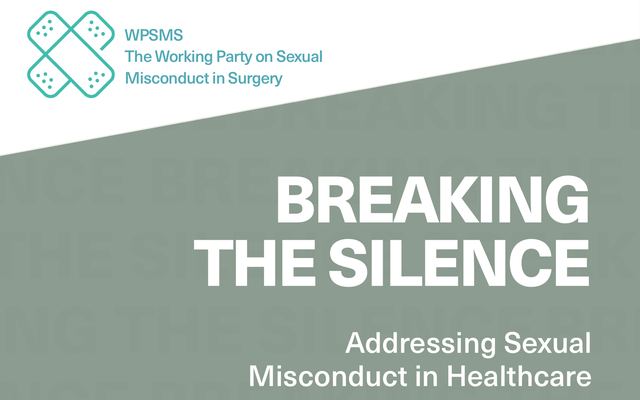 Breaking the Silence (UK, 2023)
The Working Party on Sexual Misconduct in Surgery’s independent report. In a survey of 1,434 members of the surgical workforce in the UK and Ireland, 63.3% of women and 23.7% of men had been sexually harassed by colleagues, and only 16% of those affected made a formal report.
Screenshot: WPSMS report cover
RCS EnglandRoyal College of Surgeons of England
Sexual misconduct in surgery
The college’s zero-tolerance work, building on Breaking the Silence and its 2025 report Turning the Tide, including a call for a national independent anonymous reporting mechanism.
Learning from AustraliaRCS England, October 2026
From recognising and responding to preventing
A conversation at RCS England with Kate Jenkins AO, former Australian Sex Discrimination Commissioner, on what the UK can learn from Australia’s approach to preventing workplace sexual harassment.
See Australia & Aotearoa New Zealand, below
Australia Australia & Aotearoa New Zealand
Africa Women surgeons supporting women surgeons
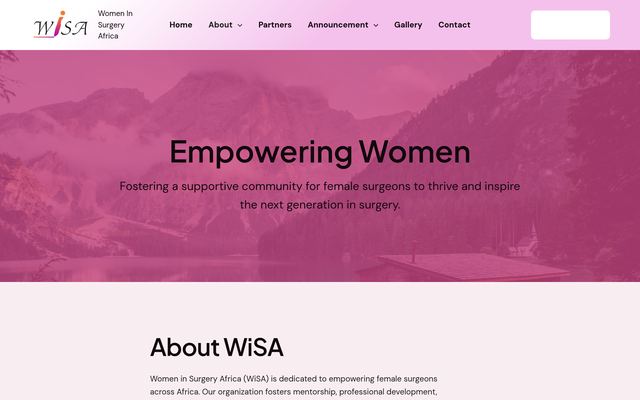 Women in Surgery Africa (WiSA)
Founded in 2015 and recognised by the College of Surgeons of East, Central and Southern Africa (COSECSA), WiSA offers mentorship, community and advocacy for gender equity in surgery.
Screenshot: WiSA website
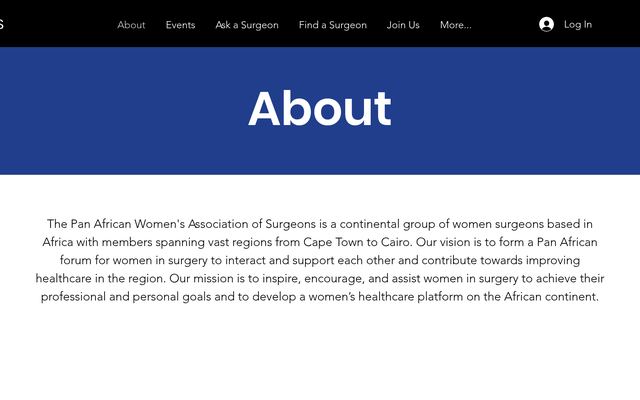 Pan African Women’s Association of Surgeons
A continental network of women surgeons, “from Cape Town to Cairo,” working to inspire, encourage and support women in surgery.
Screenshot: PAWAS website
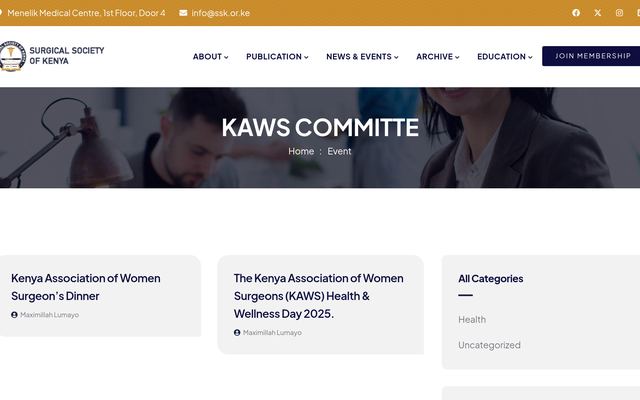 Kenya Association of Women Surgeons
Part of the Surgical Society of Kenya, KAWS brings women surgeons together through gatherings such as its Health & Wellness Day.
Screenshot: Surgical Society of Kenya website
More of what I’m working on
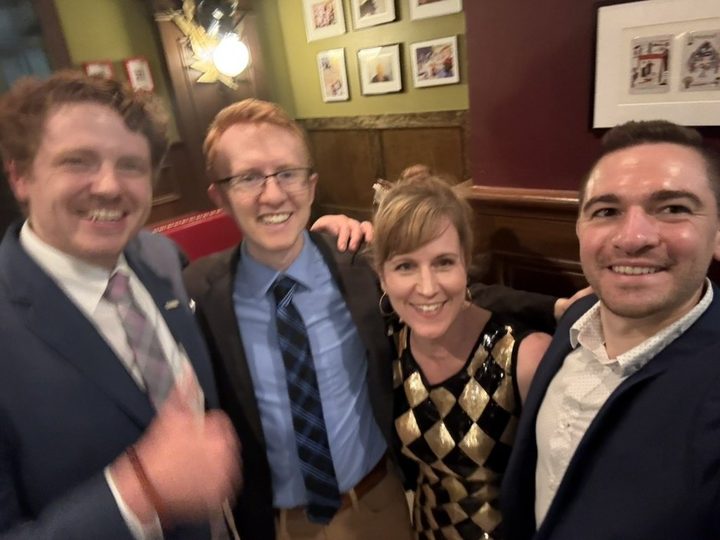 Association of Out Surgeons & Allies
AOSA Advocacy & Activism
 Native American health
Indian Health
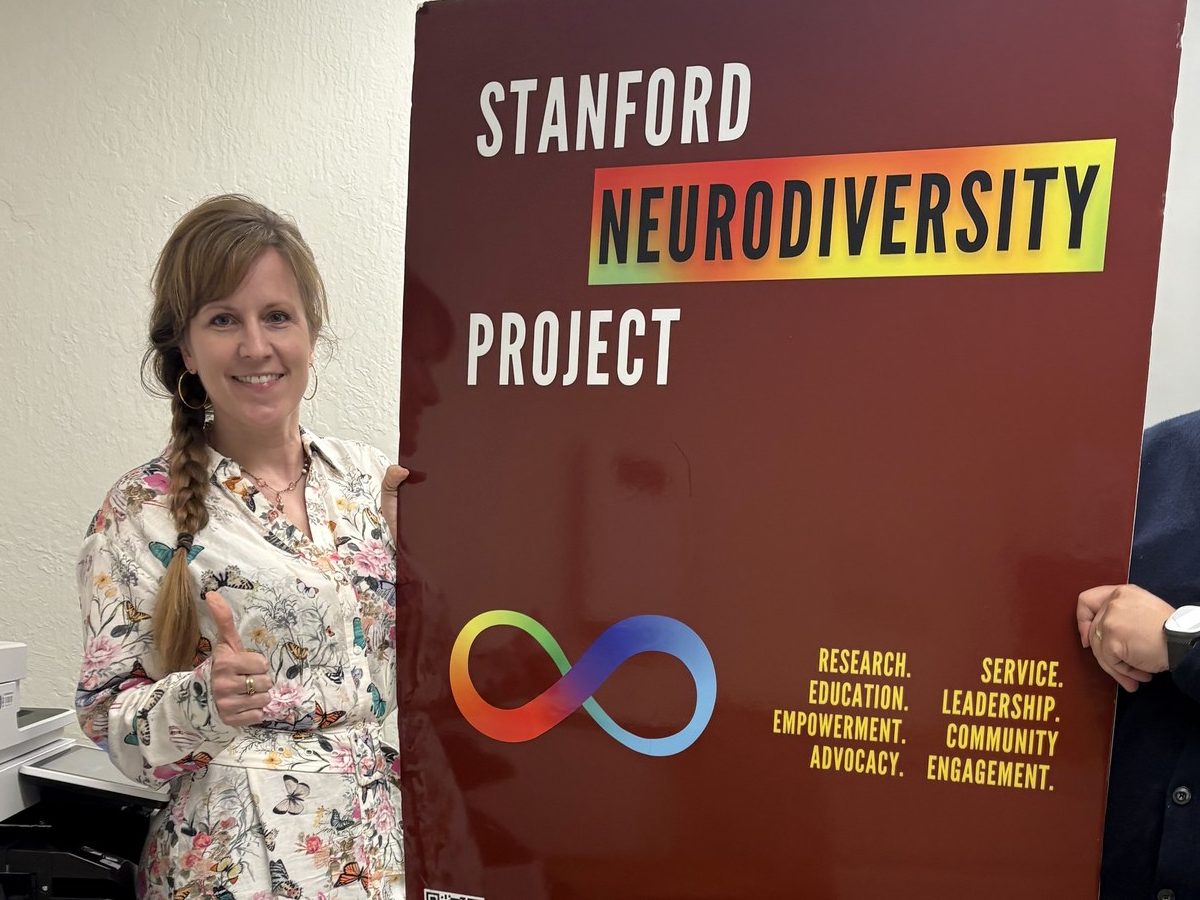 Neurodiversity
 in the Workplace
 What surgery still has to learn
Trauma-Informed Care
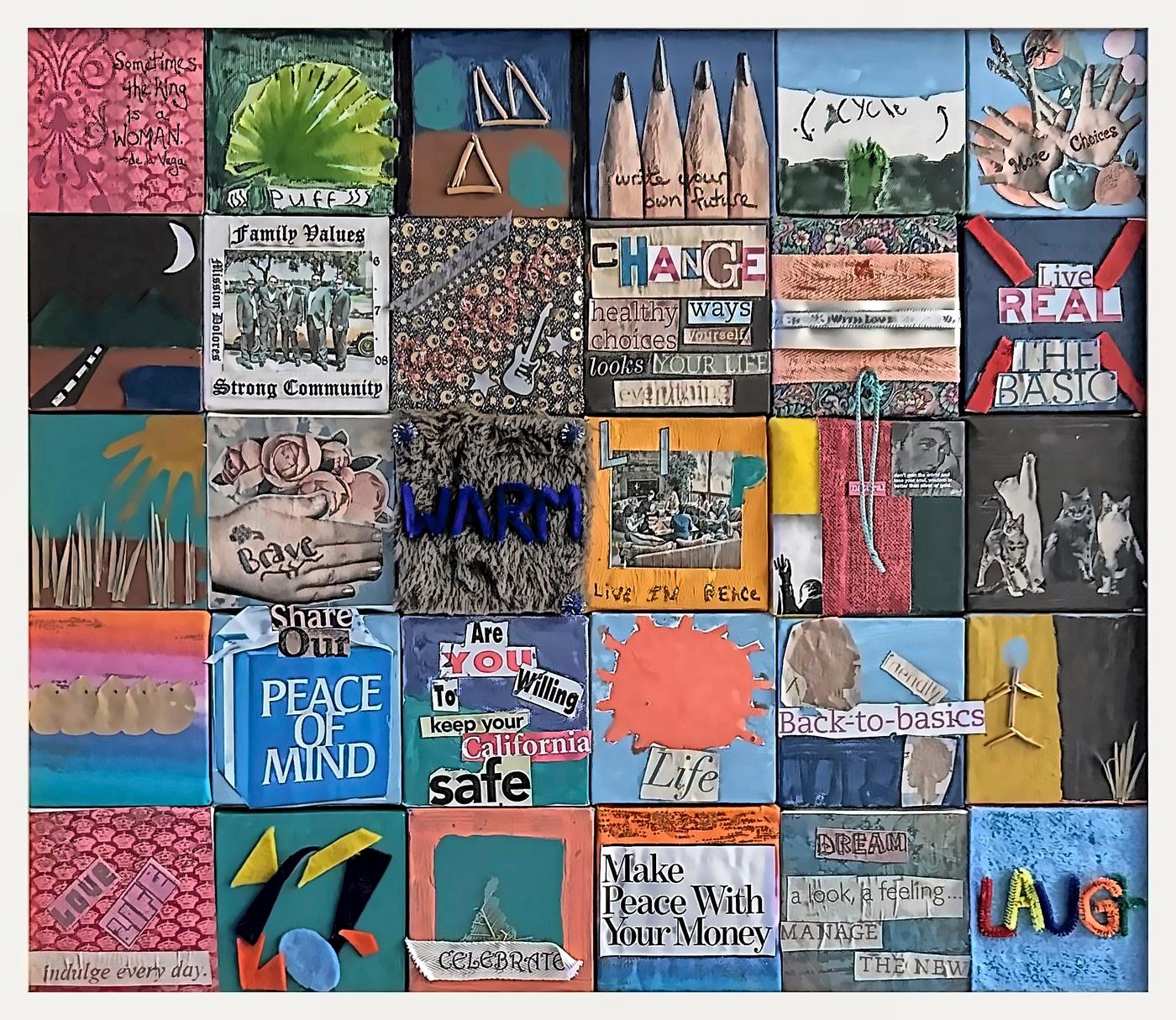 What surgeons see first
Gun Violence
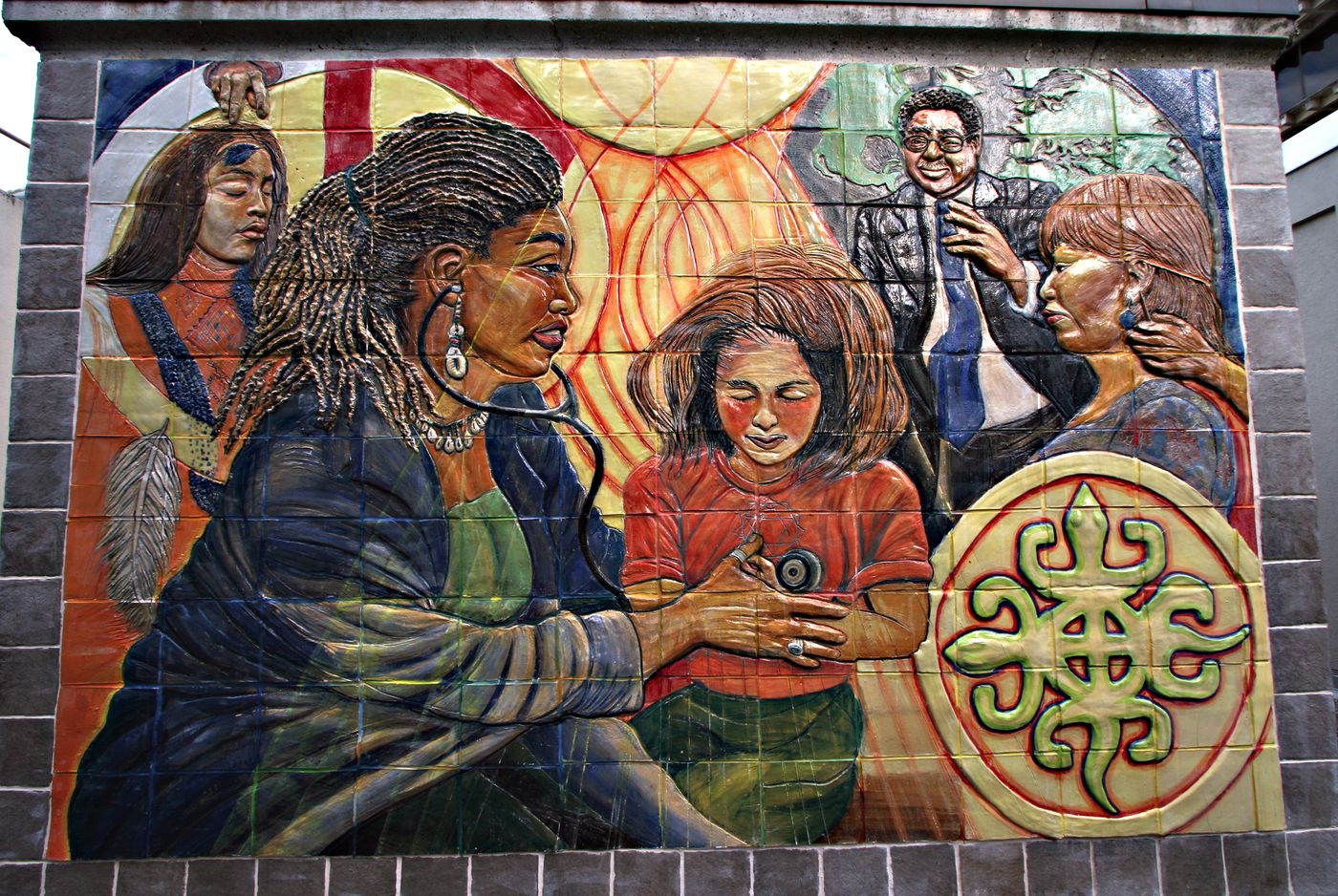 Health equity
Health Equity
 Burn care
Burn Patient Advocacy
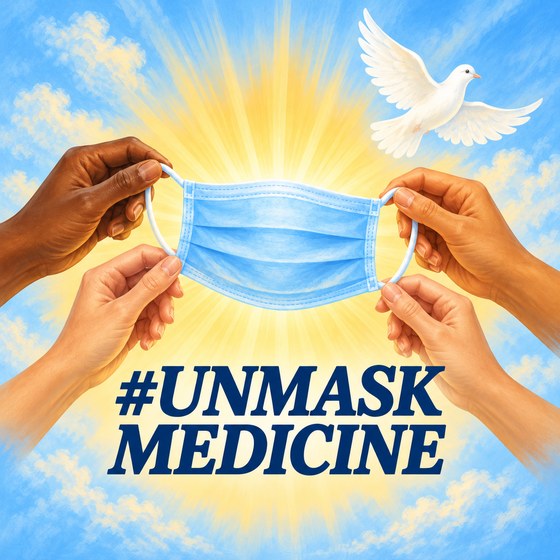 Co-founded with Dr. Paul Fedak
#UnmaskMedicine
 Physician mental health
Physician Mental Health