
Trauma-Informed Care
Most surgeons are never taught trauma-informed care, and it shows.
Trauma-informed care
Most surgeons are never taught trauma-informed care, and it shows. It matters most for the patients who have the least control over what happens to them, like people in jail and survivors of sexual violence, who need surgeons who understand how trauma shapes every exam, conversation, and consent.
Trauma-informed care is not a branch of mental health treatment. It is a way of practicing, and of running institutions, that recognizes how common trauma is, how it shapes people’s encounters with healthcare, and how care itself can reproduce harm. It belongs in the trauma bay and the clinic, in palliative care conversations, in teaching, and in how leaders respond when someone reports harm, whether that person is a patient or a colleague.
Seven principles
These overlap with the six principles in SAMHSA’s Concept of Trauma and Guidance for a Trauma-Informed Approach SAMHSA 2014 (2014).
More of what I’m working on
 Association of Out Surgeons & Allies
AOSA Advocacy & Activism
 American College of Surgeons
Intimate Partner Violence
 Native American health
Indian Health
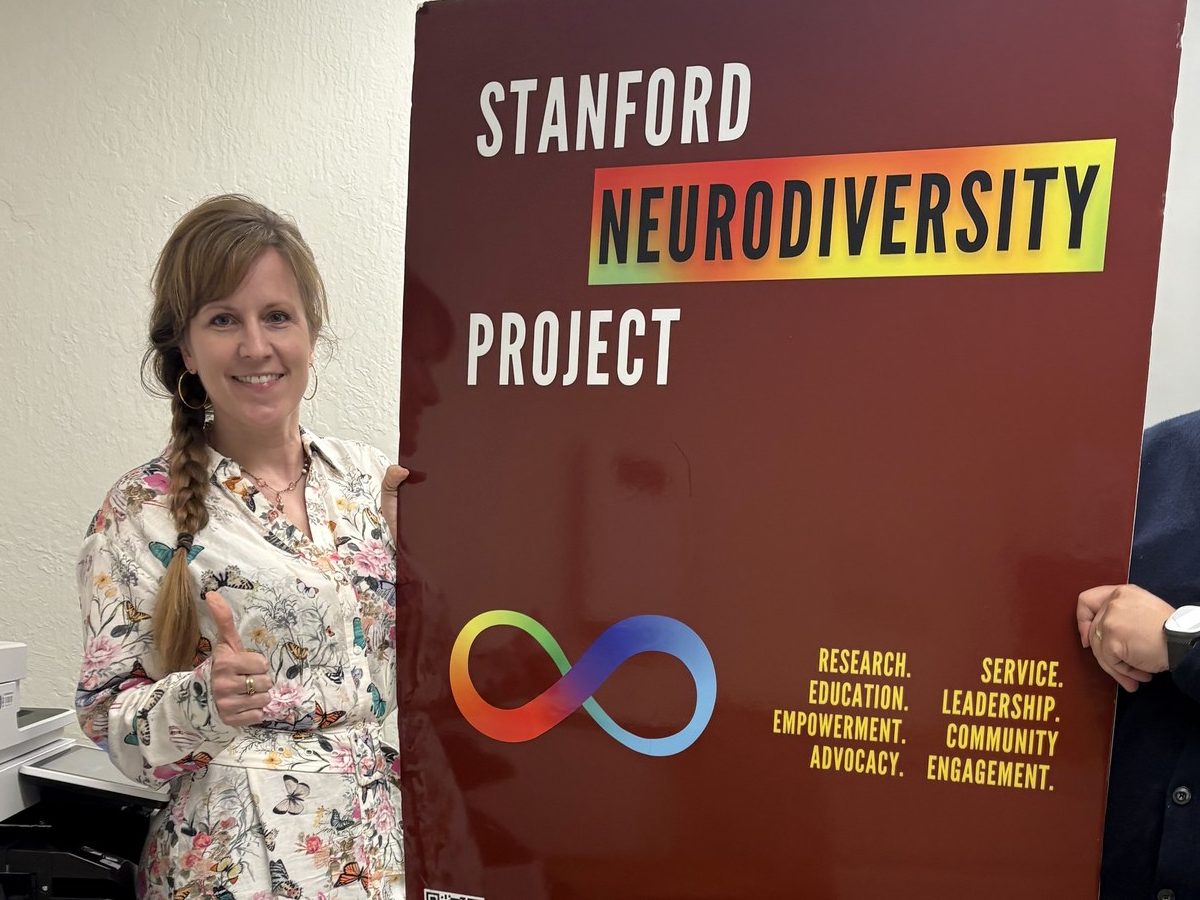 Neurodiversity
 in the Workplace
 What surgeons see first
Gun Violence
 Health equity
Health Equity
 Burn care
Burn Patient Advocacy
 Co-founded with Dr. Paul Fedak
#UnmaskMedicine
 Physician mental health
Physician Mental Health