
Who gets heard. Who is protected. What changes.
Near Tioga Pass, Eastern Sierra, October 2010
What I’m working on
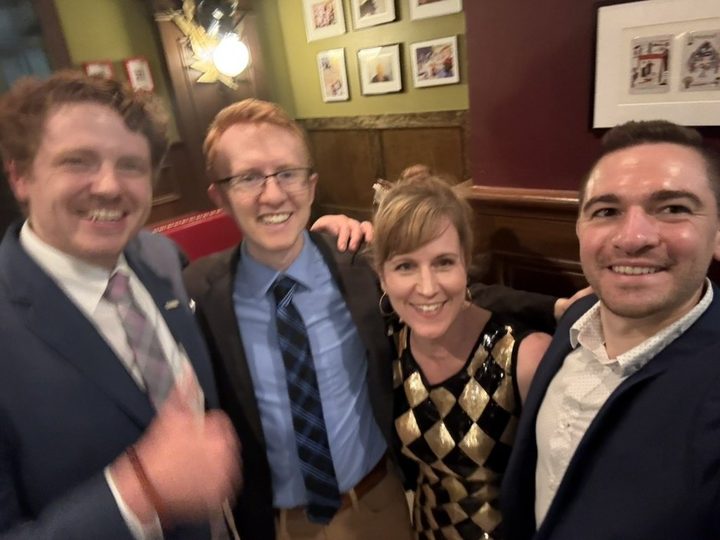 Association of Out Surgeons & Allies
AOSA Advocacy & Activism
 American College of Surgeons
Intimate Partner Violence
 Native American health
Indian Health
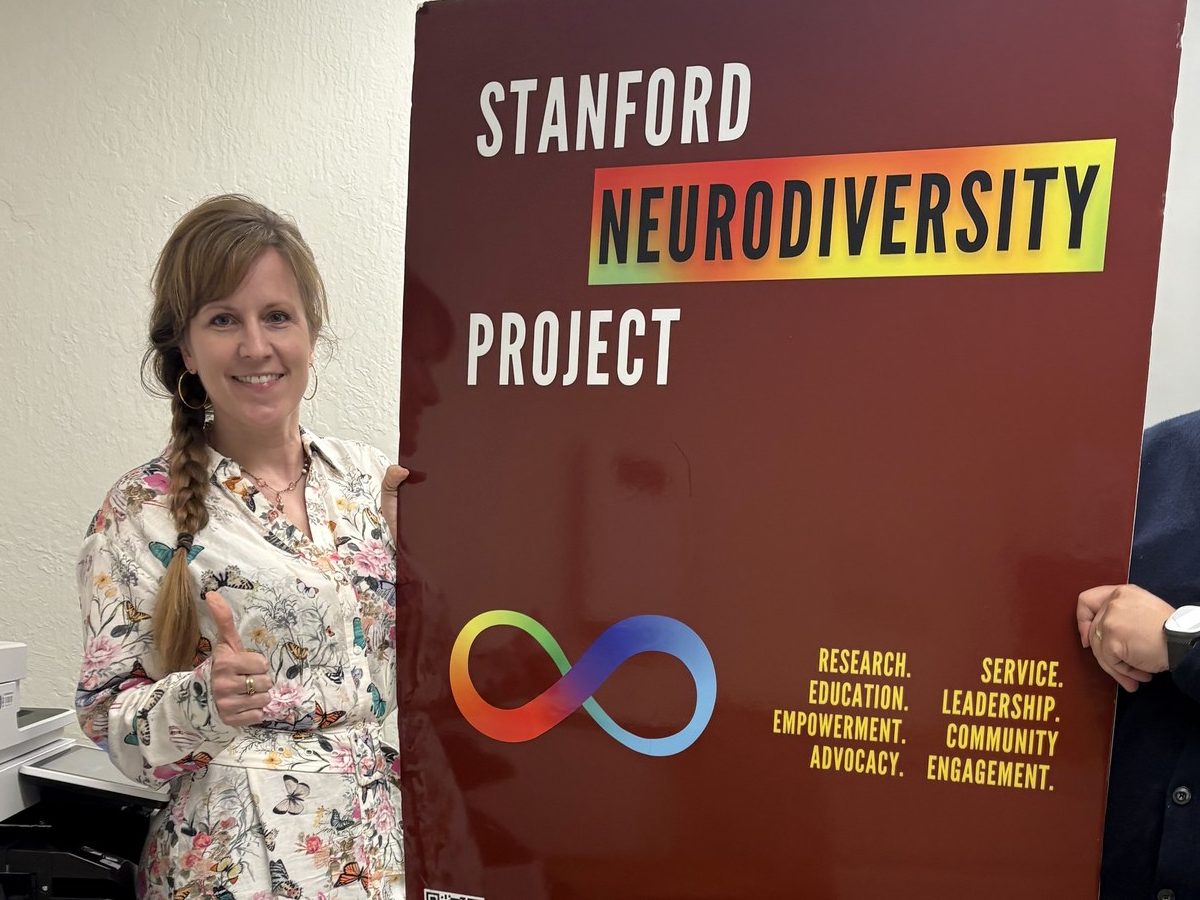 Neurodiversity
 in the Workplace
 What surgery still has to learn
Trauma-Informed Care
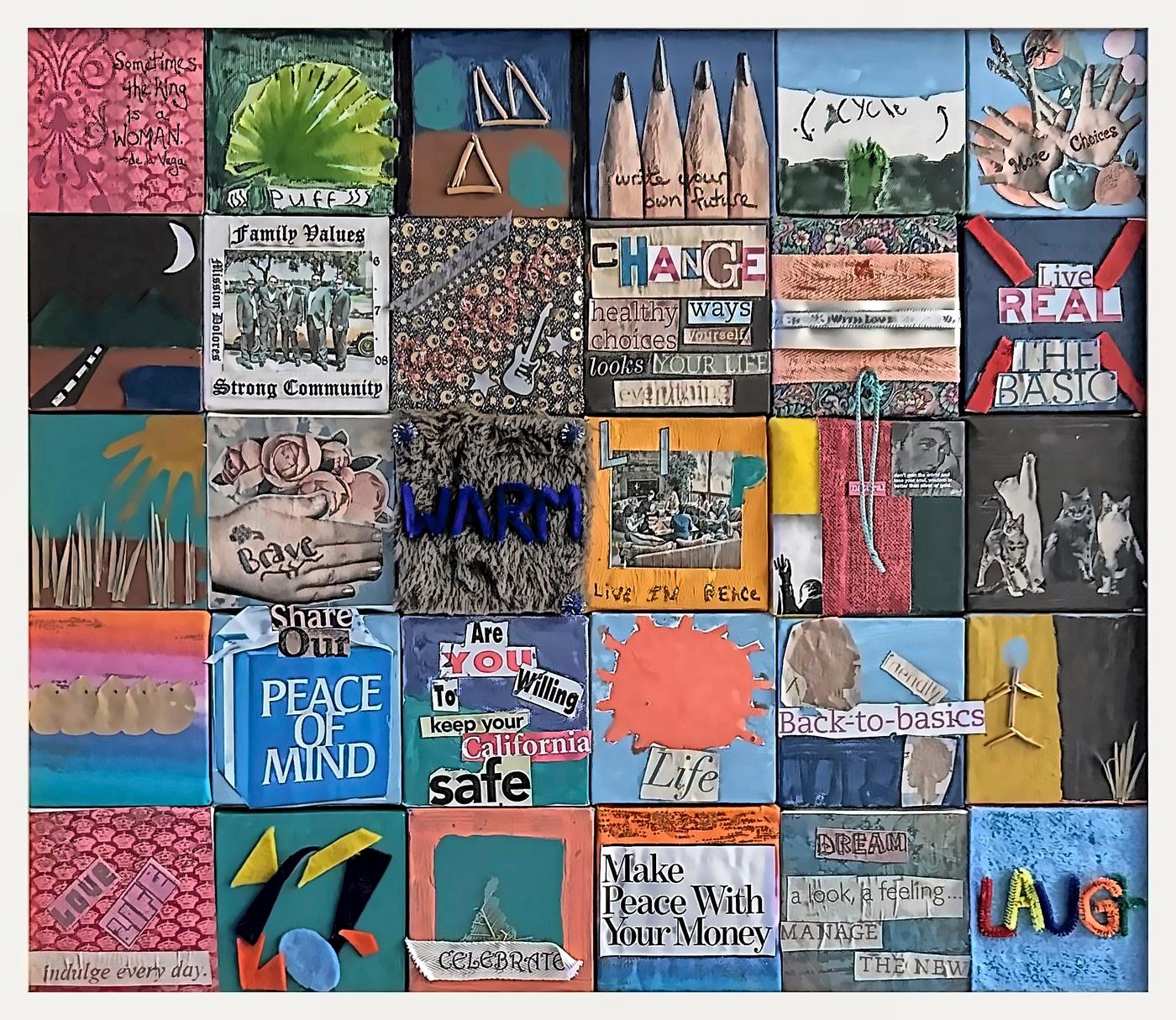 What surgeons see first
Gun Violence
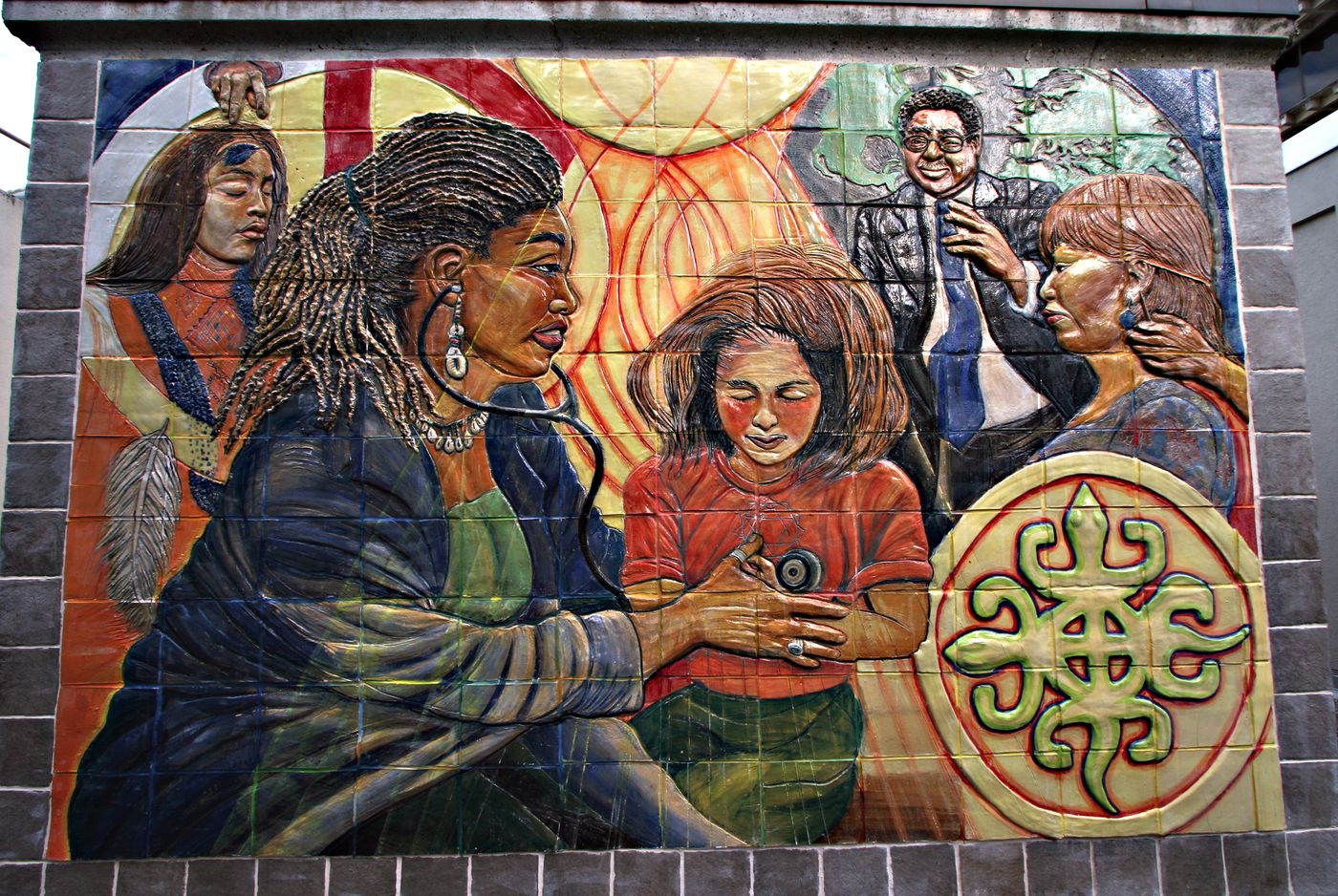 Health equity
Health Equity
 Burn care
Burn Patient Advocacy
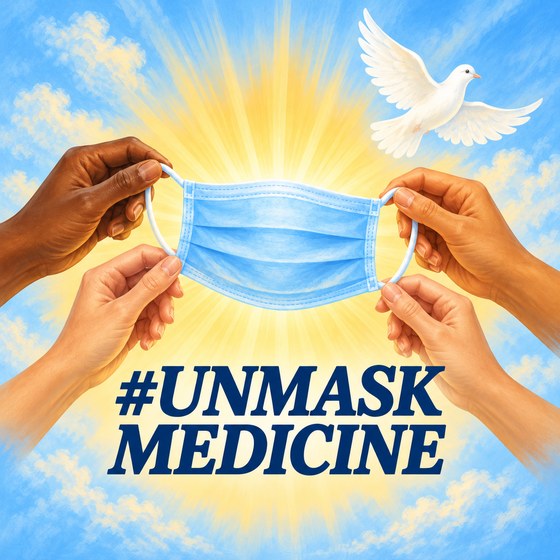 Co-founded with Dr. Paul Fedak
#UnmaskMedicine
 Physician mental health
Physician Mental Health
The journey to now
Violence prevention & survivor advocacy
Ending sexual and domestic violence
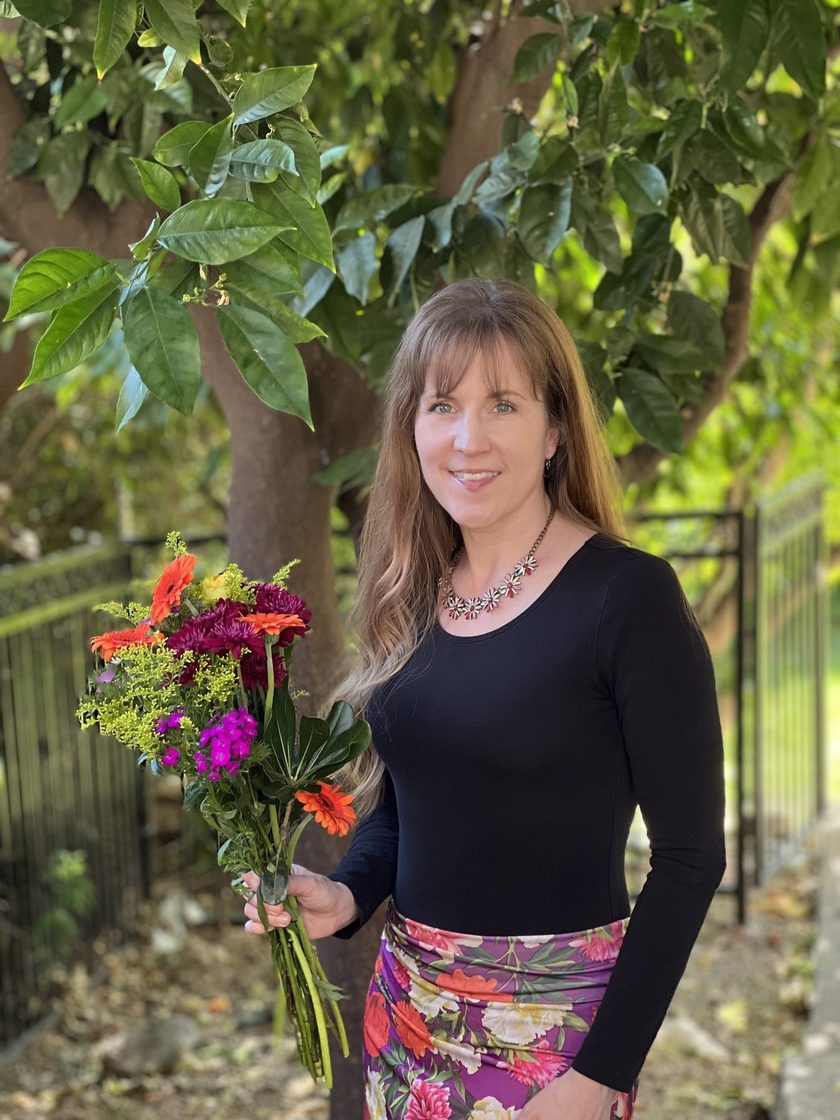
I am Jane Doe. Breaking silence, and making room for others to be heard
As a rape survivor and domestic violence advocate, I have shared my story with dozens of audiences… Being chosen for this award has given me the courage to accept that “Heather the physician” will forever be inseparable from “Heather the survivor.”
If I can leave you with one message, it is that we need to provide increased support for survivors of sexual violence and foster a dialogue of healing.
Supporting someone after violence has happened, in an emergency department or on a crisis line, is different from examining the social norms, power structures, and behaviors that make violence more likely. Both matter, and neither replaces the other.
Primary prevention
Primary prevention means stopping violence before it starts: changing the norms that excuse it, teaching what healthy relationships look like, and engaging men and young people in the work. That was the aim of my peer education with PAVE, of Men Making a Difference and the NOMAS conference in Madison, of the prevention talks I gave on New York City campuses through SAVI, and of Relaciones Saludables, youth violence prevention with Mar de Jade in Las Varas, Mexico.
The path, in order
- 2001–2003
 Peer education with PAVE: Promoting Awareness, Victim Empowerment at UW–Madison, including Silent Crimes, Outspoken Voices, developed with Jennifer Cinelli, which used survivors’ own stories to teach prevention and survivor-centered response.
- 2003
 Co-founded Men Making a Difference, a pro-feminist, anti-racist, gay-affirmative student group for primary prevention, and co-coordinated the NOMAS 28th National Conference on Men and Masculinity, “Gender, Violence, and Power: Making the Connections,” in Madison.
- 2004–2006
 Emergency department advocate with Mount Sinai’s Sexual Assault and Violence Intervention Program (SAVI) in New York City.
- 2005–2006Spoke on sexual violence prevention for New York City campuses and community organizations through SAVI’s speakers bureau.
- 2006–2007
 Crisis line volunteer with W.O.M.A.N., Inc. (Women Organized to Make Abuse Nonexistent), supporting survivors of domestic violence, including lesbian, Latina-bicultural, immigrant, and teen callers.
- 2007–2009
 Took part all four years in UCSF’s interdisciplinary domestic violence conference and elective (Beyond Awareness, Effecting Change; Beyond Medicine: Health Care Professionals Providing Hope for Healing), and in my final year served on the planning committee and led a breakout session.
- 2008
 Directed Relaciones Saludables (Healthy Relationships) with Mar de Jade in Las Varas, Mexico: youth violence prevention combining Brazilian Jiu-Jitsu, English instruction, and healthy-relationship education.
- 2009
 Collaborated with the Wraparound Project at San Francisco General Hospital on Peace in Our Neighborhood, a mural-based violence prevention and community recovery project with survivors of gun violence. More on Artistry and Medicine.
- 2009–2010Organized and moderated Breaking the Silence: Advancing to Healing!, a UCSF panel of students and faculty speaking about their experiences of interpersonal violence and of the healthcare system.
- 2017Spoke at the American College of Surgeons Clinical Congress on supporting colleagues and patients affected by intimate partner violence, covered in General Surgery News.
- 2021
 Educated surgeons on BRAVE: Buffalo Rising Against Violence at ECMC, a hospital-based violence intervention program.
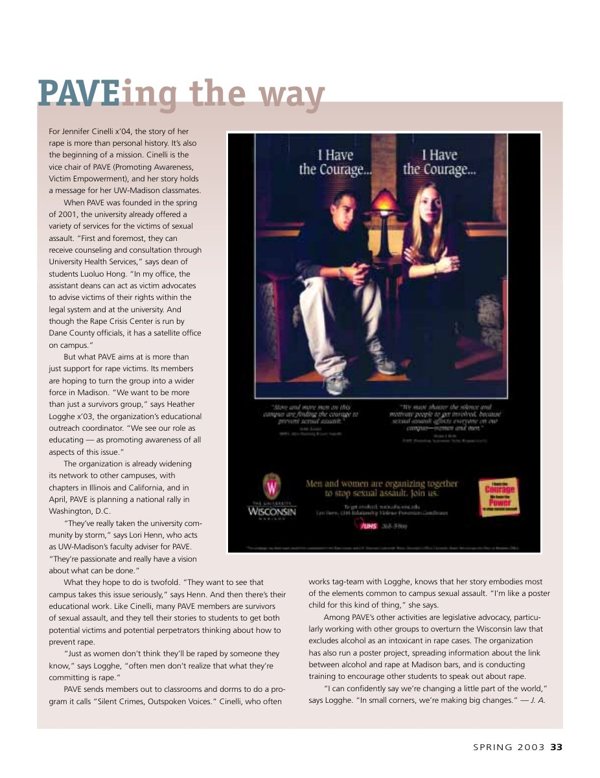
“PAVEing the Way,” On Wisconsin, Spring 2003, on PAVE’s peer education at UW–Madison and Silent Crimes, Outspoken Voices. Read the article (PDF)
How this work began is a longer story, and it lives on my About page. The roots of my advocacy →
Surgeons around the world, moving from response to prevention: now on the Intimate Partner Violence page →
TIME’S UP Healthcare, 2019
Co-founder. Why residents belong at the center of efforts to confront harassment and inequity in medicine, with a 2026 note on what followed.
…a movement is only as trustworthy as the accountability built into it, and centering survivors has to be a practice, not a slogan.
Responding to harm without repeating it is also the core of trauma-informed care, in surgery and beyond.
Resources for clinicians: IPV screening, response and referral, supporting colleagues, and violence at work. IPV screening, response and referral are in What I’m working on; supporting colleagues and violence at work are on Mental Health in Medicine.
Resources and help lines: the National Domestic Violence Hotline and RAINN’s National Sexual Assault Hotline are on Intimate partner violence.
Health equity
Health equity and access
This work spans reproductive access and helping build the systems that make care and evidence possible.
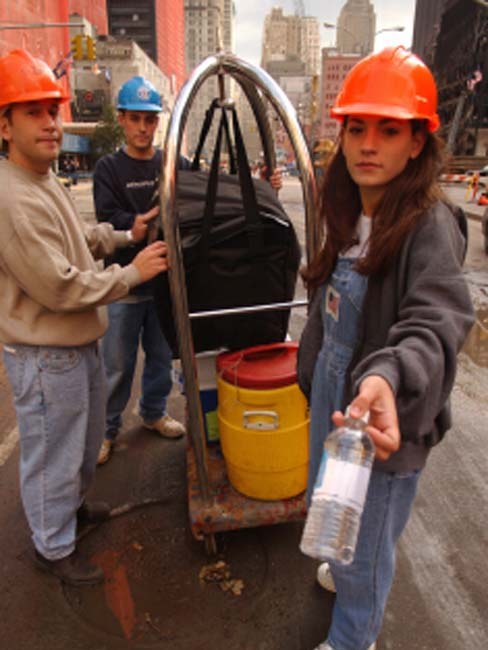
World Trade Center Medical Monitoring Program, 2004–2006
At Mount Sinai’s World Trade Center Medical Monitoring Program, in the Department of Community and Preventive Medicine, I worked as part of a much larger effort to ensure that rescue and recovery workers exposed during and after September 11 received the medical attention, long-term monitoring, and research their exposures warranted.
My part was behind the scenes: assisting with quality assurance, questionnaire development, and domestic violence research consultation, helping put in place the patient-monitoring and referral systems that supported coordinated medical screenings, and helping train clinical staff to use them. It meant recognizing an ongoing responsibility to people whose health had been placed at risk, and helping build what was needed to understand and respond to those risks over time.
Ride for World Health, 2006
In the spring of 2006, I rode in the inaugural Ride for World Health, a group of medical and pre-medical students cycling more than 3,000 miles from San Francisco to Washington, D.C. Along the route, riders spoke at medical schools and community centers about global health, women’s health, and access to care. By the time the ride reached Washington, it had raised nearly $130,000 for global health, with donations still arriving.
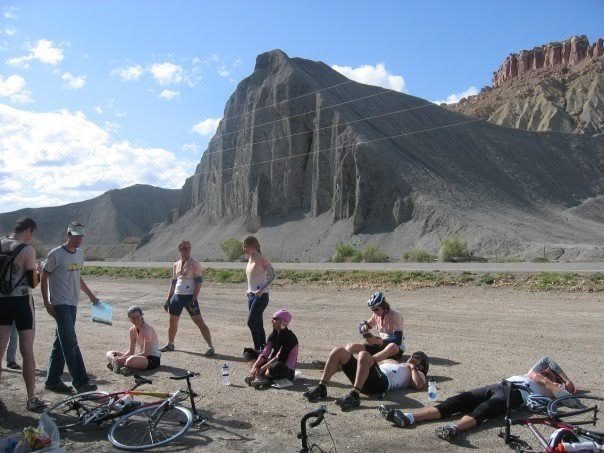
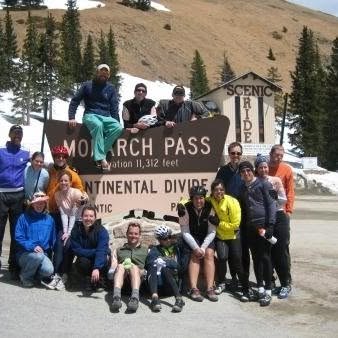
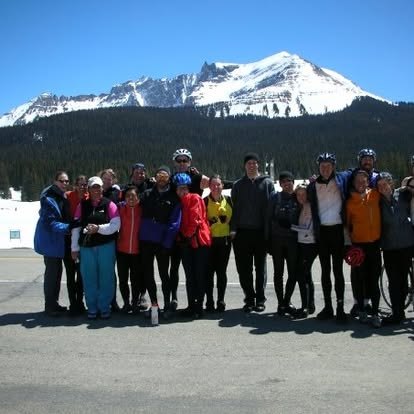
Also covered in Pulse, New Jersey Medical School, Summer 2006 (PDF).
Access, equity, and human rights
- 2003Community health and human rights exchanges in Honduras and Nicaragua: clinics serving environmentally affected communities, environmental justice organizing, a center caring for survivors of torture and their families, and youth health education through media. Physicians for Human Rights leadership training the same year.
- 2005
 One of 15 women selected for the Women’s Empowerment Institute, a Capitol Hill advocacy and leadership program sponsored by the American Medical Student Association.
- 2005–2009
 With the Haven Coalition in New York City (2005–2006) and ACCESS/Women’s Health Rights Coalition in Oakland (2007–2009), helped people traveling for reproductive healthcare with transportation, housing, meals, and support.
- 2007Hosted AMSA’s national Primary Care Leadership Training Program on health disparities, leadership, curricular reform, and health policy, for 20 medical and 20 dental students selected nationally.
- 2008–2012Liaison to the Student National Medical Association, the Latino Medical Student Association, and the Native American Health Association.
- 2008–2009Took part in UCSF’s 2008 commemoration of Juana Alicia’s SANARTE murals (more on Artistry and Medicine), and in October 2009 brought Harriet Washington back to UCSF AMSA, after first meeting her at the 2007 AMSA Western Regional conference at UCSF. I hosted and moderated her talk, “American Apartheid: Notes on Race, Ethics and US Medical Education,” followed by a student leadership panel with AMSA, SNMA, LMSA, NAHA, and APAMSA.
- 2011–2012Founded the Student Health Equity Alliance at UCSF, connecting clinicians, trainees, and scientists to address health disparities.
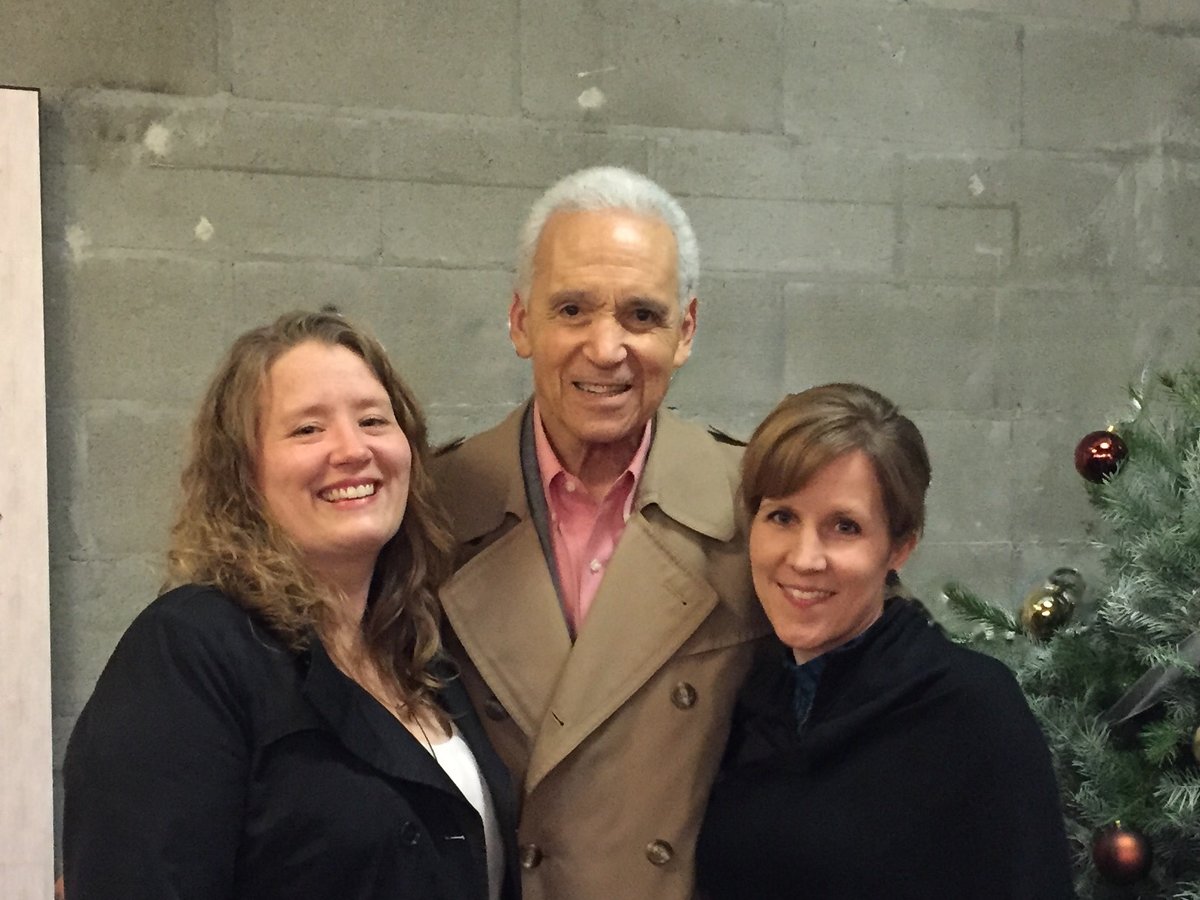
- 2011Raised the funds to bring Dr. Augustus A. White III, author of Seeing Patients: Unconscious Bias in Health Care, to UCSF on November 9, 2011, for Orthopaedic Grand Rounds (“Compassionate Patient Care and Personal Survival in Orthopaedics”), a community conversation on how patients and clinicians can work together to achieve health equity, and a campus lecture and book signing.
The idea that some lives matter less is the root of all that is wrong with the world.
Institutions, policy & collective action
Working within institutions, and acting together
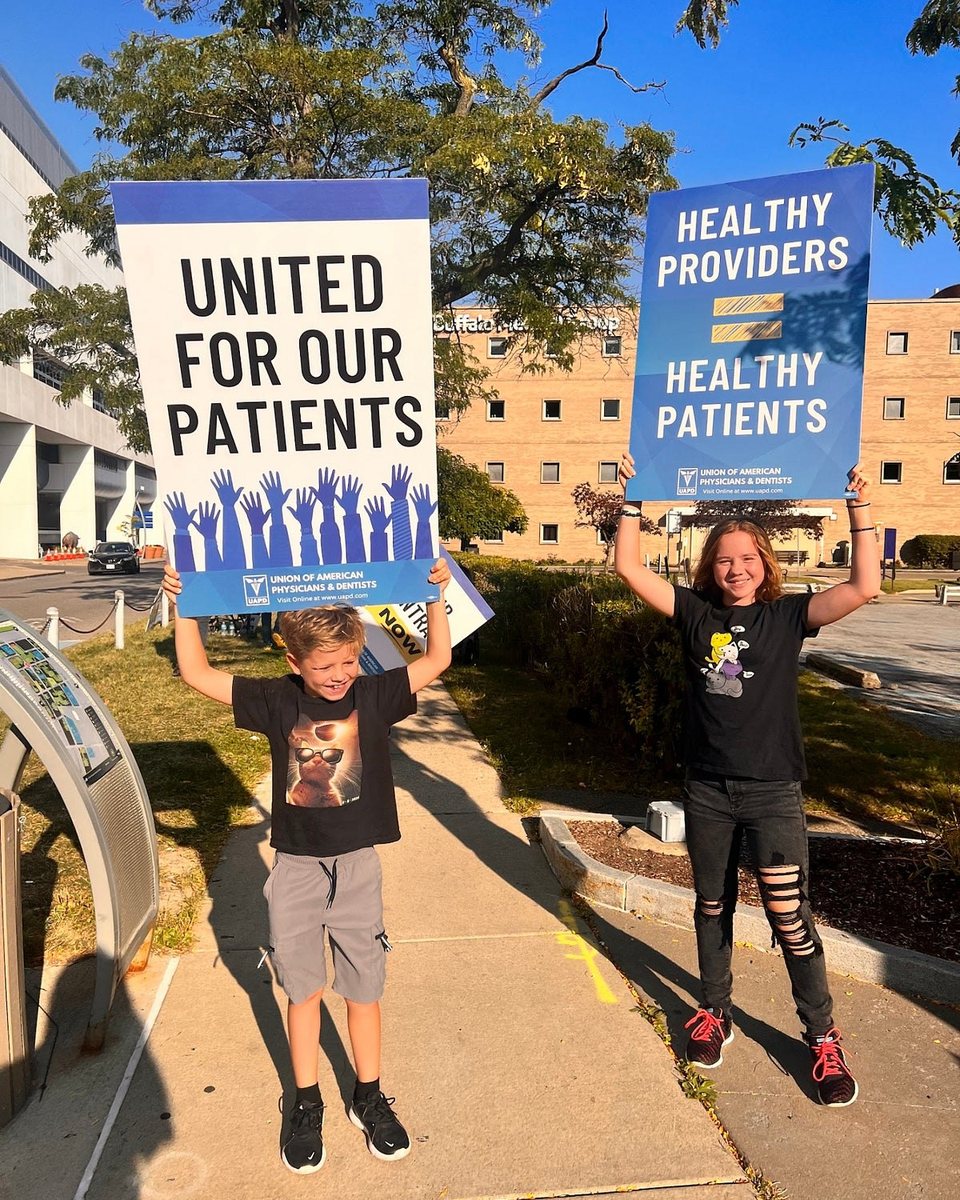 My kids joined me on the picket line, September 2024.
Committees, governance, and public comment offer a seat where decisions are discussed. They can shape a policy’s wording, bring forward evidence, and keep an issue on the agenda. They rarely decide the outcome. Collective action works differently: it changes what an institution has to negotiate. I’ve worked both ways, and they are not the same thing.
- 2004, 2007Served on reference committees of the American Medical Student Association House of Delegates, weighing testimony and making recommendations on membership and medical education policy.
- 2007–2009Served on UCSF’s Chancellor’s Advisory Committees on the Status of Women (2007–2009) and on Diversity (2008–2009).
- 2012Received the UCSF Chancellor’s Award for the Advancement of Women, in the student category.
- 2016–2019With the Resident and Associate Society of the ACS: wrote professional social media guidance for surgeons with its Advocacy and Action Committee, published as a society statement J Am Coll Surg 2017 in 2017, and later served as its Social Media Chair.
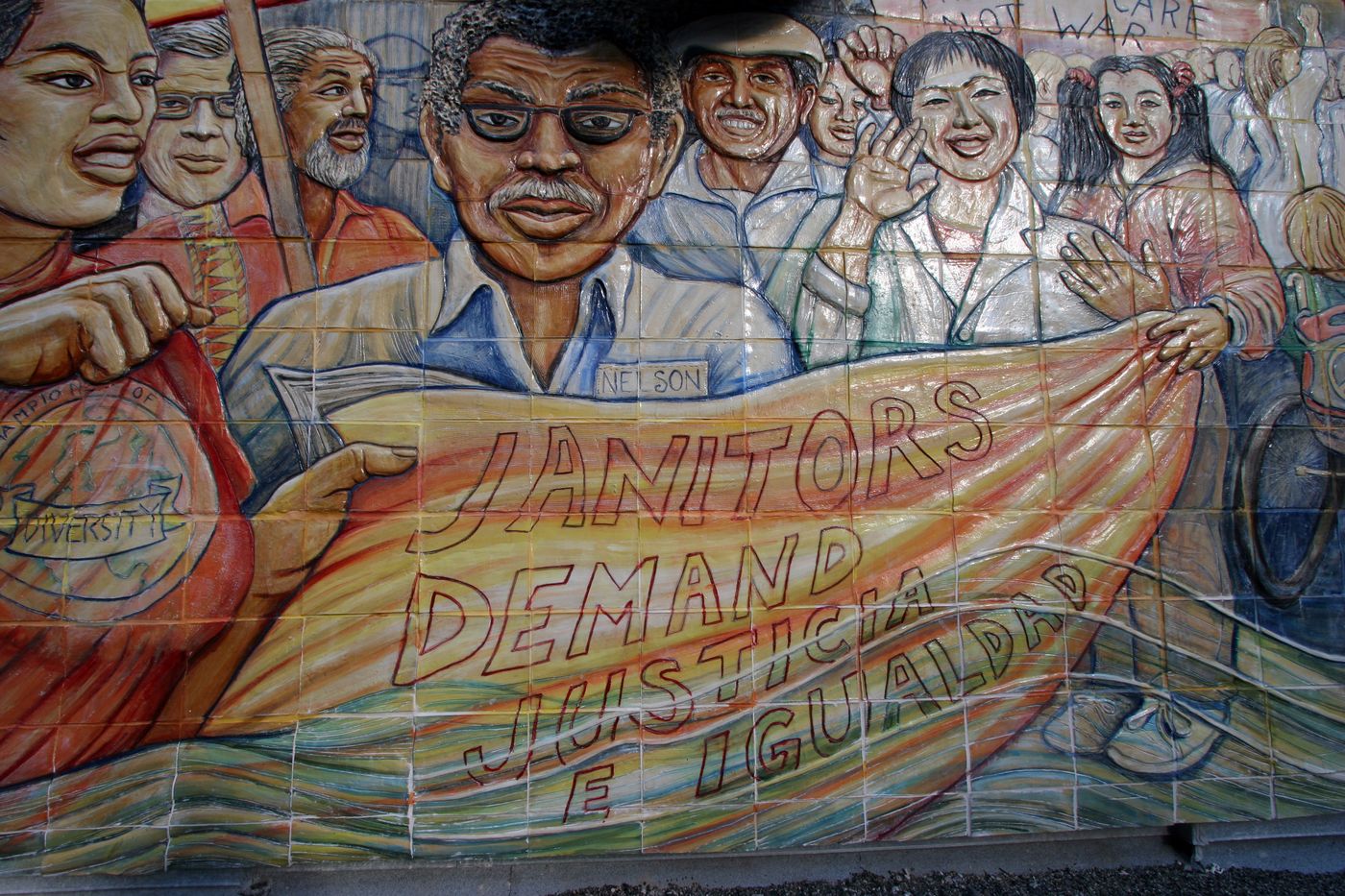
Buffalo resident physicians: collective action, 2024
During my general surgery residency at the University at Buffalo, residents and fellows represented by the Union of American Physicians and Dentists (UAPD) organized around compensation, affordable health coverage, and working conditions. In September 2024, after prolonged negotiations, the union, which represents more than 800 residents and fellows, held a four-day strike.
I wrote about what was at stake for residents and their families in an op-ed for The Buffalo News arguing for affordable medical coverage. The argument did not rest only on what working conditions mean for patients. Physicians’ families deserve access to healthcare in their own right.
On December 13, 2024, residents and fellows ratified their first union contract with a 96% vote. It included salary increases, caps on health insurance premiums, a professional development fund, a labor-management committee, peer representatives, and grievance protections. It was a collective result, won by people acting together.
We are so grateful for the support we received from UB, colleagues, sister unions and patients. This is a monumental step in improving the health and wellness of residents and fellows, not just in Buffalo, but across the United States.
The strike made concrete a distinction I had been circling for years: the difference between asking an institution to change and having enough collective leverage to negotiate the conditions under which we train, work, and care for patients.
Building community online
In 2011, as a medical student, I founded the Association of Women Surgeons’ Twitter presence and helped recruit and mentor its contributors. Later I helped grow the Resident and Associate Society of the ACS’s Twitter team from one person to thirty-five, and co-founded #obsm, a monthly chat that brought patients, surgeons, and other professionals into the same conversation about obesity.
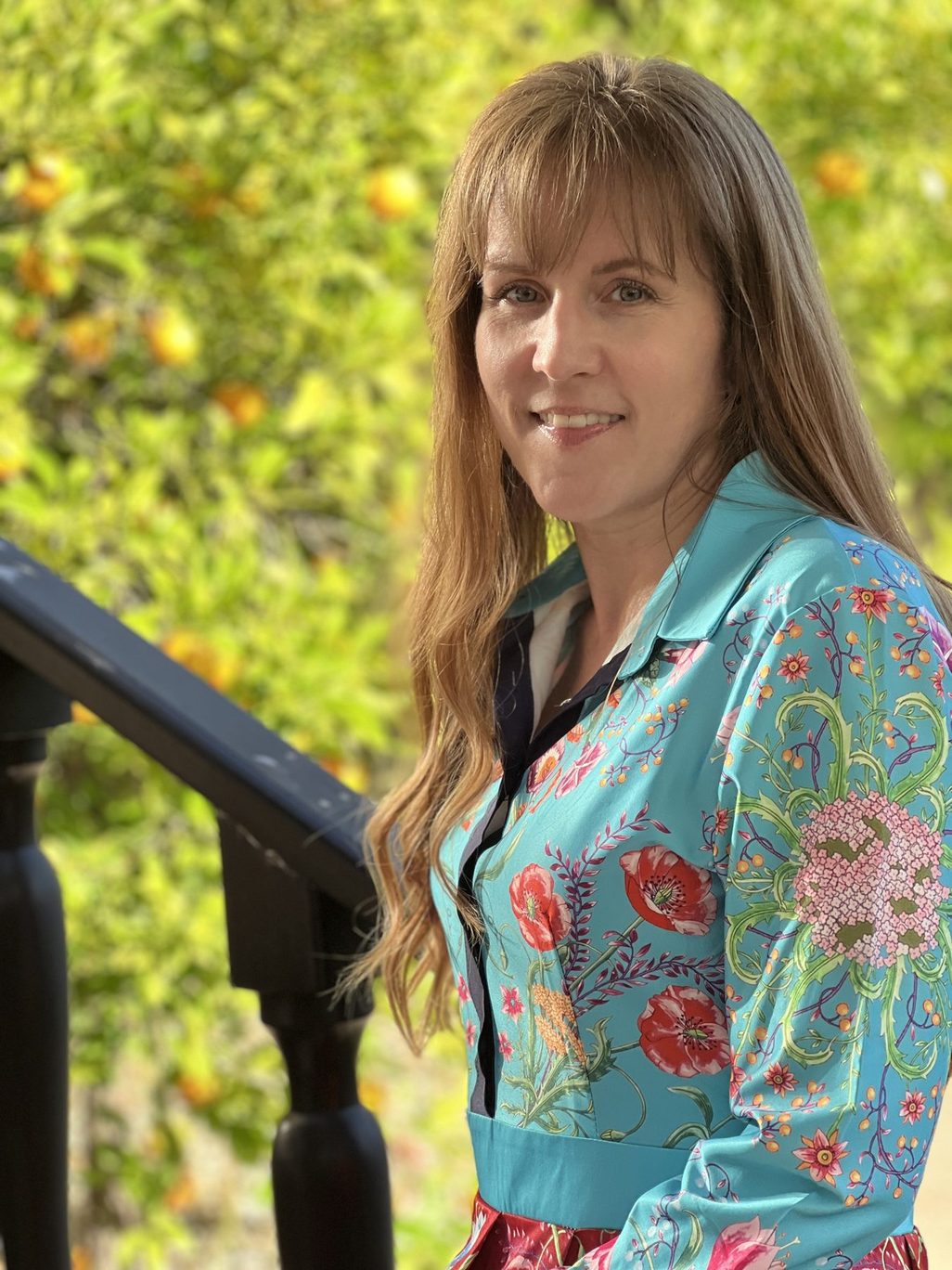
“Visibility is not the same as power. Awareness is not the same as prevention. And being encouraged to speak is not the same as being safe to speak.”
— Dr. Heather Logghe